Categories
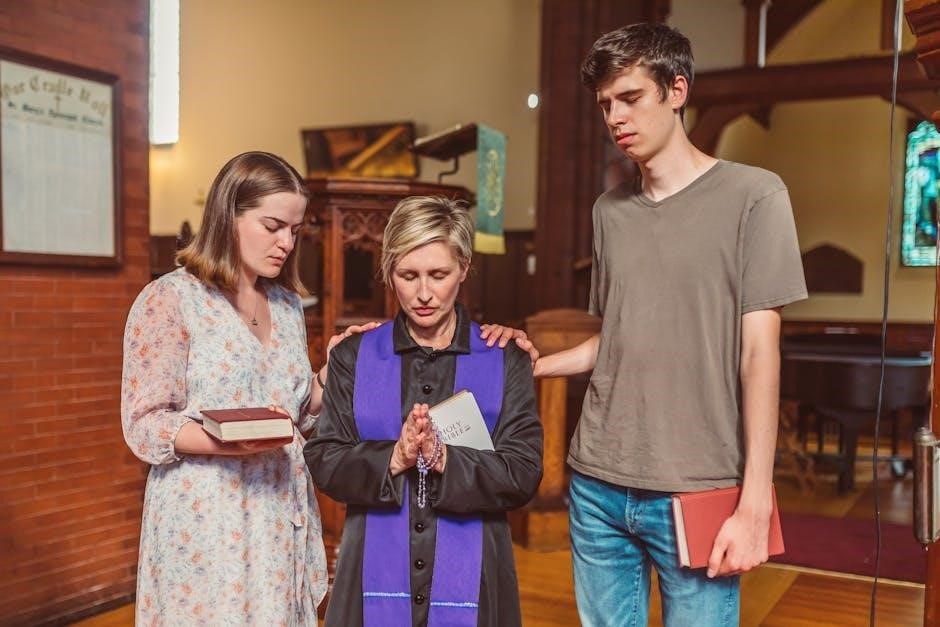
Embark on a transformative journey of spiritual discipline, seeking deeper communion with God through dedicated prayer and intentional fasting for twenty-one days.
This 21-day journey of prayer and fasting is designed to be a period of profound spiritual renewal. It’s an intentional time to disconnect from the distractions of daily life and reconnect with God on a deeper level. Before you begin, take time for preparation – not just logistical, but also mental and spiritual.
Consider your motivations. Why are you undertaking this fast? What areas of your life are you seeking God’s guidance in? Write these down. This clarity will serve as an anchor during challenging moments. Also, realistically assess your current commitments and schedule. How can you carve out dedicated time each day for prayer and reflection?

Finally, remember that this isn’t about religious performance; it’s about genuine heart-felt seeking of God. Approach these 21 days with humility, openness, and a willingness to be transformed by His grace. Prepare your heart to receive all that He desires to reveal.
Prayer, at its core, is simply communication with God – a conversation with our Creator. It’s not merely reciting words, but a heartfelt expression of our thoughts, needs, and desires, coupled with adoration and gratitude. It’s a time to listen for His still, small voice and seek His will for our lives.
Fasting, conversely, is the voluntary abstinence from food (or other things) for a spiritual purpose. It’s a practice found throughout Scripture, often used to demonstrate sincerity, humility, and dependence on God. Fasting isn’t about deprivation, but about redirecting the energy we normally spend on physical sustenance towards spiritual focus.
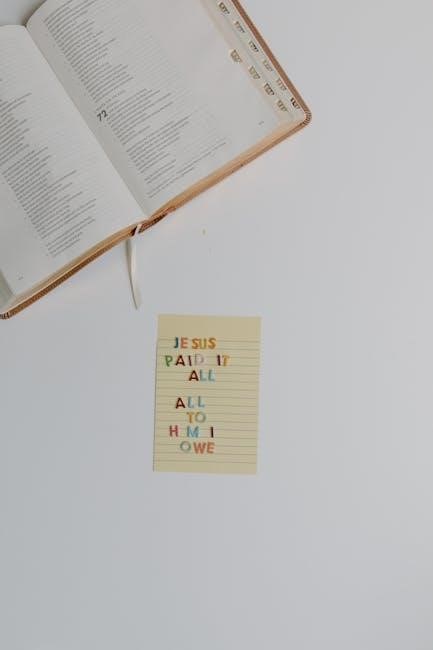
When combined, prayer and fasting create a powerful synergy, breaking down barriers and opening our hearts to receive God’s transformative power. It’s a time to intentionally create space for God to work in and through us, leading to deeper intimacy and spiritual growth.
Throughout the Bible, prayer and fasting are consistently presented as vital components of a thriving spiritual life; Old Testament figures like Moses (Exodus 34:28), David (Psalm 35:13), and Elijah (1 Kings 19:8) all utilized these disciplines during times of crisis and seeking God’s direction.
Jesus Himself fasted for forty days (Matthew 4:2) before beginning His ministry, and He instructed His disciples on the importance of both (Matthew 6:16-18, Mark 9:29). The early church frequently practiced prayer and fasting when facing challenges or making important decisions (Acts 13:2-3, Acts 14:23).
These biblical examples demonstrate that prayer and fasting aren’t optional extras, but rather foundational practices for those who desire a deeper relationship with God and to experience His power in their lives. They are tools for spiritual warfare, seeking guidance, and expressing dependence on the Almighty.
This initial week focuses on cleansing your heart through confession, repentance, and cultivating a spirit of humility before the Lord’s presence.
Begin this 21-day journey with a period of deep introspection and honest confession before God. These first three days are dedicated to acknowledging our shortcomings, sins, and areas where we’ve fallen short of His calling for our lives. Don’t shy away from the difficult truths; instead, approach Him with a humble and contrite heart.
Spend dedicated time in prayer, specifically listing out sins – both those we’re consciously aware of and those the Holy Spirit reveals. Repentance isn’t simply feeling sorry; it’s a turning away from those behaviors and a turning towards God. Ask for His forgiveness and strength to overcome temptation.
Consider journaling your confessions and prayers. This can be a powerful tool for tracking your progress and recognizing patterns. Remember, God’s grace is abundant, and He desires to cleanse and restore all who come to Him in genuine repentance. Embrace this opportunity for a fresh start.
Now, shift your focus to identifying and actively breaking unhealthy habits that hinder your spiritual growth. These aren’t necessarily major sins, but patterns of behavior that distract you from God’s presence and purpose. This could include excessive social media use, unhealthy eating, negative self-talk, or procrastination;
During these two days, pray specifically for the strength to resist temptation and replace these habits with healthier alternatives. Fasting can be particularly effective here, as it creates space and discipline. Identify triggers for these habits and develop a plan to avoid or manage them.
Accountability is key. Share your struggles with a trusted friend or mentor and ask for their support. Remember, breaking habits takes time and effort, but with God’s help, you can experience freedom and renewed self-control. Focus on replacing the old with the new!
These days are dedicated to fostering humility – a cornerstone of a thriving relationship with God. Pride often subtly creeps into our lives, hindering our ability to receive guidance and grace. Spend time in prayer, acknowledging your dependence on God and confessing any areas where pride may be present.
True humility isn’t about self-deprecation, but about a realistic assessment of your strengths and weaknesses, recognizing that all good things come from God. Consider how your talents and accomplishments might be leading to arrogance.
Actively practice gratitude, focusing on all that God has provided. A grateful heart is a humble heart. Seek opportunities to serve others without seeking recognition. Remember, genuine humility opens the door to deeper intimacy with God and allows His power to flow freely through you.
Spiritual pride is a particularly insidious form of arrogance, often masked as righteousness or zeal. It manifests as a belief that one is more spiritual, knowledgeable, or favored by God than others. This subtle elevation of self can create a barrier between you and God’s grace, hindering spiritual growth.
Recognize that spiritual gifts and accomplishments are not earned, but freely given by God. Comparing yourself to others is a dangerous path, leading to either pride or envy. Instead, focus on your own journey and growth, seeking to align your heart with God’s will.
Be wary of judgmental attitudes and a critical spirit. True humility involves extending grace and understanding to others, recognizing that everyone is on a unique path. Regularly examine your motives and ask God to reveal any hidden pride within your heart.
Cultivating gratitude is a powerful antidote to spiritual pride and a cornerstone of a humble heart. Intentionally focusing on blessings, both big and small, shifts your perspective from what you lack to what you have been given. This simple practice fosters contentment and deepens your appreciation for God’s provision.
Keep a gratitude journal, listing specific things you are thankful for each day. Verbally express your gratitude to God and to others. Look for the good in every situation, even amidst challenges, recognizing that God can work all things for good.
Gratitude isn’t merely a feeling; it’s a deliberate choice. It’s an acknowledgement of God’s faithfulness and a recognition of your dependence on Him. A grateful heart is a receptive heart, open to receiving more of God’s grace and blessing.

This week focuses on strengthening your personal relationship with God, learning to discern His voice, and seeking His wisdom for your life’s journey.
These days are dedicated to cultivating a quiet space where you can intentionally listen for God’s guidance. Often, we are so busy talking to God that we forget to simply listen for His response. Start each day with extended periods of silence, intentionally quieting your mind from distractions;
Explore different methods of hearing God’s voice – through Scripture meditation, journaling your thoughts and impressions, or simply spending time in contemplative prayer. Pay attention to recurring themes, feelings, or insights that arise. Remember, God often speaks in a still, small voice, so patience and sensitivity are key.
Don’t be discouraged if you don’t immediately hear a clear, audible voice. God communicates in various ways, and learning to recognize His voice takes practice. Ask for discernment and an open heart, trusting that He desires to communicate with you.
These two days focus on moving beyond simply reading Scripture to truly studying it with intention. Choose a book of the Bible and commit to a deeper exploration, utilizing study tools like commentaries and concordances to gain richer understanding. Don’t rush the process; allow the verses to resonate within your heart.
Ask specific questions as you read: What is God revealing about His character? How does this passage apply to my life? What challenges or convictions does it bring forth? Journal your insights and reflections, noting any patterns or connections that emerge.
Pray before, during, and after your study time, asking for the Holy Spirit to illuminate the text and reveal its truth to you. Remember, Scripture is living and active, and it has the power to transform your life when approached with a humble and seeking heart.
During these days, intentionally seek wisdom from mature, trusted believers who demonstrate a life aligned with Scripture. God often speaks through others, and a godly counselor can offer valuable perspective and encouragement during your spiritual journey. Share your struggles, questions, and insights from your prayer and fasting time.
Be open to receiving constructive feedback, even if it’s challenging; A true mentor will lovingly speak truth, helping you identify blind spots and grow in your faith. Remember to pray for discernment as you seek counsel, ensuring the advice aligns with biblical principles.
Avoid seeking counsel from those who are ungrounded in faith or who offer advice based on worldly wisdom. Genuine godly counsel will always point you back to God and His Word.
Finding the right mentor is crucial. Look for individuals exhibiting consistent spiritual maturity, demonstrated through their character, actions, and unwavering faith. Observe if their life reflects the fruit of the Spirit – love, joy, peace, patience, kindness, goodness, faithfulness, gentleness, and self-control.
Seek those who actively study and apply biblical principles to all areas of their life. A wise mentor should be a good listener, offering guidance without judgment and prioritizing your spiritual growth. They should also be willing to be accountable and transparent about their own struggles and victories.
Pray specifically for God to reveal individuals He intends to use in your life as mentors, trusting His guidance in this important process.
During times of intense spiritual seeking, discernment is paramount. Not all voices, even those appearing spiritual, originate from God. Ground yourself firmly in Scripture, using it as the ultimate standard for truth. Any counsel received should align with biblical principles and not contradict God’s Word.
Be wary of teachings that emphasize feelings over facts, or promote a “name it and claim it” mentality devoid of genuine repentance and surrender. True spiritual guidance will always point you towards Christ and encourage a life of humility and obedience.
Pray for wisdom and a discerning spirit (James 1:5), and test all teachings against the foundation of biblical truth, seeking confirmation through prayer and trusted, biblically-sound mentors.

This final week focuses on actively demonstrating your faith, empowered by God, through selfless prayer, community involvement, and pursuing divine purpose.
Shift your focus outward during these days, intentionally lifting up the needs of those around you in prayer. This isn’t simply a recitation of requests, but a heartfelt intercession born from compassion and a desire to see God’s will unfold in their lives. Consider creating a prayer list – family, friends, colleagues, neighbors, even those you find challenging.
Pray specifically for their health, provision, emotional well-being, and spiritual growth. Imagine yourself standing in the gap for them, pleading their case before God’s throne. Remember Jesus’ example of selfless love and prioritize praying for those who are hurting, lost, or facing difficult circumstances.

Don’t underestimate the power of agreement in prayer; connect with others to pray alongside you for a multiplied impact. Let your fasting amplify your prayers, demonstrating a sincere dependence on God for the needs of others.
Expand your prayer focus beyond your immediate circle to encompass your wider community. Consider the local schools, businesses, government officials, and emergency services. Pray for wisdom and integrity for those in leadership positions, and for a spirit of unity and collaboration among residents.
Identify specific needs within your community – poverty, injustice, crime, or spiritual emptiness – and lift these concerns to God. Pray for a breakthrough in these areas, asking for His intervention and guidance. Seek opportunities to be a part of the solution, demonstrating God’s love through practical acts of service.
Intercession isn’t passive; it’s an active engagement with God on behalf of others. Believe that your prayers can make a tangible difference in the lives of those around you and contribute to the flourishing of your community.
As you near the end of this 21-day journey, turn your focus inward to discern God’s unique purpose for your life. Reflect on the insights and revelations He’s granted you during this time of prayer and fasting. What passions has He ignited within you? What gifts has He equipped you with?
Ask God to reveal the specific ways He wants you to use your talents and abilities to impact the world around you. This might involve a change in career, a new ministry opportunity, or simply a shift in perspective. Don’t be afraid to take bold steps of faith, trusting that God will guide your path.

Remember, purpose isn’t always about grand gestures; it’s about faithfully fulfilling God’s calling in every area of your life. Embrace the journey, and allow Him to shape you into the person He created you to be.
Understanding your spiritual gifts is crucial for fulfilling your God-given purpose. These aren’t talents you’ve acquired, but divinely bestowed abilities meant to serve others and build up the Church. Spend time in prayer, asking the Holy Spirit to reveal your unique gifts. Consider what activities bring you joy and a sense of fulfillment – often, these align with your gifting.
Reflect on feedback you’ve received from others. What do people consistently compliment you on? What do they ask you for help with? Explore the biblical list of gifts (Romans 12, 1 Corinthians 12, Ephesians 4) and see which resonate with your experiences and desires.
Don’t limit yourself to one gift; you likely possess a combination. Once identified, actively seek opportunities to utilize your gifts for God’s glory and the benefit of those around you.
Stepping into your God-given purpose often evokes fear and doubt. Recognize these feelings as normal, but don’t allow them to paralyze you. Remind yourself of God’s promises and His unwavering love for you. Recall times He’s already equipped you and proven faithful.
Replace negative self-talk with affirmations rooted in scripture. Declare your trust in God’s plan and His ability to empower you. Surround yourself with a supportive community who will encourage and pray for you.
Take small, incremental steps forward, trusting God to guide your path. Don’t wait for perfect clarity; faith often requires action even amidst uncertainty. Remember, God doesn’t call the equipped, He equips the called!
Successfully navigating a 21-day fast requires thoughtful preparation, mindful execution, and a realistic approach to both physical and spiritual well-being.
Selecting the appropriate fast is crucial for a beneficial and sustainable experience. A full fast typically involves abstaining from all food, consuming only water, and is often undertaken for a shorter duration due to its intensity. A partial fast allows for the consumption of certain foods, while restricting others – perhaps eliminating sweets, meats, or processed items – offering a more manageable approach for a longer period like 21 days.
Consider a digital fast, disconnecting from social media, excessive screen time, and news consumption to refocus your attention on spiritual matters. This can be powerfully freeing. The best choice depends on your health, lifestyle, and spiritual goals. Listen to your body and seek guidance if needed. Prioritize what will best facilitate deeper connection with God during this dedicated time, remembering that the fast is a tool, not the goal itself.
A full fast involves complete abstinence from all food, consuming only water for a specified period. This is the most intense form of fasting and should be approached with careful consideration and, ideally, after consulting with a healthcare professional. It’s generally recommended for shorter durations, rarely exceeding a few days, due to the significant physical demands it places on the body;
The primary purpose of a full fast is to intensely focus your attention on prayer and spiritual seeking, minimizing physical distractions. Expect to experience physical discomfort, such as hunger pangs and fatigue, especially in the initial days. Prioritize rest and hydration. This type of fast is not suitable for everyone, particularly those with underlying health conditions, pregnant or breastfeeding women, or individuals with a history of eating disorders. Proceed with wisdom and discernment.
A partial fast offers flexibility while still providing spiritual benefits. This involves eliminating certain foods or food groups from your diet for the duration of the fast. Common approaches include abstaining from sweets, processed foods, meat, or caffeine. You might choose to eat only fruits and vegetables, or follow a specific dietary restriction like a Daniel Fast, based on the biblical example.
This method is often more sustainable for longer periods, like our 21-day focus, as it’s less physically demanding than a full fast. It allows you to maintain energy levels while still creating space for focused prayer and spiritual reflection. A partial fast can be tailored to your individual needs and health considerations. Remember the goal isn’t simply restriction, but redirecting your focus towards God and deepening your spiritual connection.
In our hyper-connected world, a digital fast can be profoundly impactful. This involves intentionally limiting or completely abstaining from social media, excessive screen time, and non-essential internet usage during the 21 days. The aim isn’t to demonize technology, but to reclaim your time and attention, creating space for deeper connection with God and self-reflection.
Consider what digital habits distract you most from prayer and spiritual disciplines. Perhaps it’s constant news consumption, endless scrolling, or engaging in online debates. A digital fast can reduce mental clutter, alleviate anxiety, and foster greater presence in your daily life. Use the freed-up time for prayer, Scripture study, journaling, or meaningful conversations. This form of fasting addresses a modern-day distraction, allowing for renewed focus and spiritual clarity.
Fasting, especially for an extended period like 21 days, can present physical challenges. Hydration is crucial; drink plenty of water throughout the day to avoid dehydration-related headaches and fatigue. You may experience initial discomfort like hunger pangs, weakness, or irritability – these are normal as your body adjusts.
Listen to your body and don’t push yourself beyond your limits. If you have underlying health conditions, consult your doctor before starting a fast. Gentle exercise, like walking, can be beneficial, but avoid strenuous activity. Prioritize rest and adequate sleep. Nutrient-rich fluids, like vegetable broth, can help sustain energy levels during a more restrictive fast. Remember, the physical aspect is a support for the spiritual focus, not the primary goal.
Consistency is key to maximizing the spiritual benefits of your 21-day prayer and fast. Schedule dedicated prayer times each day, treating them as non-negotiable appointments with God. Minimize distractions during these times – find a quiet space and silence your phone.
Journaling can be a powerful tool for recording insights, prayers, and revelations. Engage with Scripture regularly, allowing God’s Word to speak to your heart. Accountability with a trusted friend or small group can provide encouragement and support. Be intentional about replacing time spent on other activities with prayer and spiritual reflection; Remember, the goal is to cultivate a deeper, more intimate relationship with God throughout these 21 days.

Transition gently from your fast, re-establish healthy habits, and continue prioritizing prayer to maintain the spiritual growth experienced during these days.
After a period of fasting, it’s crucial to reintroduce food with mindful intention. Avoid the temptation to immediately indulge in previously restricted items, as this can lead to digestive discomfort and negate some of the spiritual benefits gained. Begin with small, easily digestible portions of nutrient-rich foods like broth, steamed vegetables, and fruit.
Over the first few days, gradually increase portion sizes and incorporate lean proteins and healthy fats. Listen attentively to your body’s signals; if you experience bloating, nausea, or fatigue, reduce your intake and slow down the process. Prioritize whole, unprocessed foods and continue to drink plenty of water to aid digestion and rehydration.
Remember, the goal isn’t simply to resume eating, but to cultivate a healthier relationship with food – one characterized by moderation, gratitude, and mindful consumption. This careful reintroduction supports both physical well-being and continued spiritual clarity.
The conclusion of the 21-day fast isn’t an endpoint, but a launching pad for sustained spiritual growth. Don’t allow your prayer life to diminish; instead, build upon the momentum established during this dedicated time. Continue setting aside specific times each day for focused prayer and reflection, even if those times are shorter than during the fast.
Consider incorporating different prayer methods – journaling, adoration, confession, thanksgiving, and supplication – to keep your communication with God fresh and engaging. Establish a consistent rhythm of Scripture reading and meditation to nourish your soul and deepen your understanding of His will.
Remember, prayer isn’t a duty, but a privilege – an opportunity to connect with the Creator of the universe and experience His peace, guidance, and power in your life. Make it a non-negotiable part of your daily routine.
True transformation extends beyond a 21-day commitment; it’s about integrating spiritual disciplines into the fabric of your everyday life. This means intentionally seeking God in all circumstances – in moments of joy and sorrow, success and failure. Cultivate a lifestyle of worship, not just during designated times, but through every thought, word, and deed.
Prioritize regular fellowship with other believers, finding encouragement and accountability within a supportive community. Serve others with a humble heart, demonstrating God’s love through practical acts of kindness and compassion. Embrace opportunities for spiritual growth, such as attending conferences, reading inspiring books, and engaging in meaningful conversations.
A consistent spiritual practice isn’t about perfection, but about persistent pursuit of God’s presence and purpose.