Categories

Shin splints, medically termed medial tibial stress syndrome, cause pain along the shinbone; often stemming from repetitive stress during exercise or physical activity.
Shin splints aren’t a specific injury, but rather a term describing pain along the shinbone (tibia). This discomfort typically arises from overuse and repetitive stress, impacting the muscles, tendons, and bone tissue around the tibia.
Medial tibial stress syndrome (MTSS) is the most common type, causing pain on the inner side of the shin. Periostitis, another form, involves inflammation of the periosteum – the membrane covering the bone. Both present as aching pain that worsens during and after exercise.
Commonly experienced by runners, dancers, and those participating in high-impact sports, shin splints develop when the muscles and tissues don’t have enough time to adapt to increased activity levels. Ignoring early warning signs can lead to stress fractures, so prompt attention is crucial for effective management and a swift return to activity. Understanding the root cause is key to preventing recurrence.

Several factors contribute to the development of shin splints. A sudden increase in training intensity or duration is a primary culprit, overwhelming the body’s ability to adapt. Inadequate footwear providing insufficient support and cushioning also plays a significant role.
Biomechanical issues, such as flat feet (overpronation) or high arches, can alter lower limb mechanics, increasing stress on the shin. Muscle imbalances – weak core, hip, or calf muscles – can contribute to improper form and increased load on the tibia.
Running on hard surfaces, improper warm-up routines, and insufficient stretching further exacerbate the risk. Additionally, bone density and nutritional deficiencies (like Vitamin D) can influence susceptibility. Addressing these underlying causes is vital for both treatment and prevention of this common athletic ailment.

Accurate diagnosis involves a physical examination, reviewing activity levels, and potentially imaging tests to rule out stress fractures or other underlying conditions.
Initial self-assessment can help gauge the severity of your shin pain. Gently palpate (feel) along your shinbone – medial tibial border – to pinpoint areas of tenderness. Note if the pain is localized or diffuse. Perform the bone tap test: lightly tap along the shin; increased pain suggests a possible stress fracture, requiring medical attention.
Assess pain levels during and after activity; Does it start immediately, gradually worsen, or appear hours later? Observe if rest alleviates the discomfort. A simple hop test – hopping on the affected leg – can reveal pain if a stress fracture is present. However, this should be done cautiously.
Consider your training history. Have you recently increased intensity, duration, or frequency? New footwear or running surfaces can also contribute. Remember, self-assessment is not a substitute for professional medical evaluation, especially if pain is severe or doesn’t improve with rest.

Consult a doctor if your shin pain is severe, doesn’t improve with rest, or worsens over time. Don’t ignore pain that interferes with daily activities. A medical professional can rule out more serious conditions like stress fractures, compartment syndrome, or tendonitis.
Seek immediate medical attention if you experience pain with weight-bearing, noticeable swelling, redness, or warmth along your shinbone. These symptoms could indicate a stress fracture or infection. A doctor can perform a thorough physical exam and potentially order imaging tests, such as X-rays or an MRI, for accurate diagnosis.
It’s also wise to see a doctor if you’re unsure about the cause of your shin pain or if self-treatment isn’t providing relief. Early diagnosis and appropriate management are crucial for preventing chronic issues and ensuring a safe return to activity.

Initial steps involve reducing activity, applying ice, compression, and elevation to minimize inflammation and pain associated with shin splints effectively.
R.I.C.E. stands for Rest, Ice, Compression, and Elevation – a cornerstone of initial shin splint management. Rest means avoiding activities that aggravate the pain, allowing the inflamed tissues to begin healing. This doesn’t necessarily mean complete immobilization, but a significant reduction in impact and intensity.

Ice should be applied for 15-20 minutes at a time, several times a day, especially in the first 24-72 hours. Always use a barrier, like a towel, between the ice pack and your skin. Compression, using an elastic bandage, helps reduce swelling. Ensure it’s snug but not too tight, as to not cut off circulation.
Finally, Elevation – raising your leg above your heart – also aids in reducing swelling. Combine these four elements consistently for optimal initial relief. Remember, R.I.C.E. is a temporary solution to manage symptoms while addressing the underlying causes is crucial for full recovery. Ignoring pain and continuing activity will likely worsen the condition.
Over-the-counter (OTC) pain relievers are often the first line of defense for managing shin splint discomfort. Nonsteroidal anti-inflammatory drugs (NSAIDs), like ibuprofen or naproxen, can effectively reduce both pain and inflammation. Acetaminophen (paracetamol) can alleviate pain but doesn’t address inflammation directly.
It’s crucial to follow dosage instructions carefully and be aware of potential side effects. If OTC medications don’t provide sufficient relief, a doctor may prescribe stronger pain relievers, though this is typically reserved for more severe cases. These might include stronger NSAIDs or, rarely, short-term opioid use.
Topical pain relievers, such as creams or gels containing menthol or capsaicin, can also offer localized pain relief. Remember, medication only manages symptoms; addressing the root cause through rest, rehabilitation exercises, and proper biomechanics is essential for long-term recovery. Always consult a healthcare professional before starting any new medication regimen.
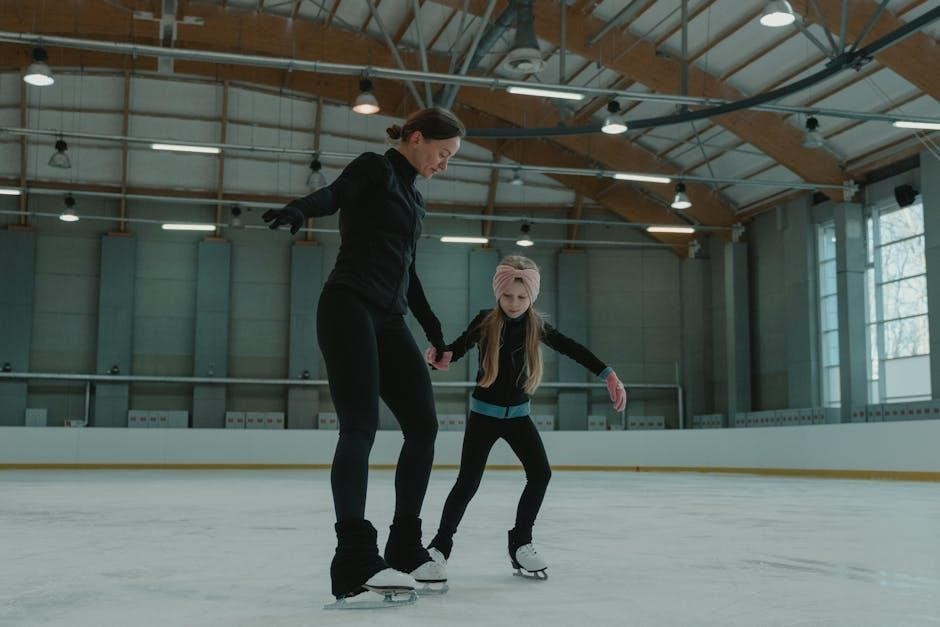
Initial exercises focus on gentle stretching and low-impact movements to reduce pain and inflammation, preparing the lower leg for progressive strengthening.
Calf stretches are fundamental for shin splint recovery, addressing tightness in the gastrocnemius and soleus muscles, key contributors to the condition. Begin with the gastrocnemius stretch: stand facing a wall, place one foot slightly behind the other, keeping the back leg straight and heel firmly planted. Lean forward until you feel a stretch in the upper calf. Hold for 30 seconds, repeat three times per leg.
Next, perform the soleus stretch: similar to the gastrocnemius stretch, but bend the back knee slightly. This targets the lower calf muscle. Again, lean forward, maintaining heel contact, and hold for 30 seconds, repeating three times per leg. Ensure a controlled, gentle stretch – avoid bouncing. Consistency is crucial; perform these stretches several times daily, especially after activity. Proper stretching improves flexibility, reduces muscle tension, and alleviates stress on the shinbone, promoting healing and preventing recurrence.
Toe raises are a simple yet effective exercise to strengthen the anterior tibialis muscle, which runs along the front of your shin. This muscle helps to dorsiflex the foot (lift the toes upwards) and is often weak in individuals experiencing shin splints. To perform toe raises, sit or stand with your feet flat on the floor. Slowly lift only your toes off the ground, keeping your heels firmly planted.
Hold this position for a few seconds, feeling the contraction in your shin. Then, slowly lower your toes back to the ground. Repeat this movement 10-15 times for 2-3 sets. As you progress, you can add resistance by using a resistance band looped around your feet. Focus on controlled movements and avoid any pain. Regular toe raises help improve muscle balance, reduce stress on the shinbone, and contribute to a faster recovery from shin splints.
Heel walks are an excellent exercise for strengthening the calf muscles – both the gastrocnemius and soleus – which play a crucial role in supporting the lower leg and reducing strain on the shin. To perform heel walks, find a clear, flat surface. Lift your toes off the ground, so you are walking only on your heels.
Maintain a slow and controlled pace, taking small steps to ensure balance and proper form. Walk forward for approximately 20-30 steps, then rest. Repeat this exercise 2-3 times. Focus on engaging your calf muscles throughout the movement. Avoid bouncing or rushing. As you gain strength, you can increase the distance or add a slight incline. Heel walks help improve calf endurance, enhance shock absorption, and contribute to a more stable and resilient lower leg, aiding in shin splint recovery.

Phase 2 focuses on rebuilding lower leg strength, improving stability, and preparing for a return to activity with targeted exercises for lasting relief.
Toe curls are a simple yet effective exercise to strengthen the intrinsic muscles of the foot, which play a crucial role in supporting the arch and stabilizing the ankle. This exercise directly addresses muscle imbalances often contributing to shin splints.
How to perform: Sit comfortably in a chair with your feet flat on the floor. Place a small towel or marbles in front of your feet. Using only your toes, attempt to curl the towel towards you or pick up the marbles one by one, placing them into a container. Focus on isolating the movement to your toes, avoiding lifting your entire foot off the ground.
Repetitions & Sets: Start with 3 sets of 10-15 repetitions. As your strength improves, you can increase the number of repetitions or add resistance by using a slightly heavier towel or more marbles. Perform this exercise slowly and with control, concentrating on the feeling of your foot muscles working. Avoid any sharp pain; a mild stretching sensation is acceptable.
Alphabet tracing is an excellent exercise for improving foot and ankle mobility, as well as strengthening the small muscles responsible for foot control. This exercise enhances proprioception – your body’s awareness of its position in space – which is vital for preventing re-injury and improving overall biomechanics.
How to perform: Sit comfortably with your foot slightly elevated. Imagine your big toe is a pen. Slowly and deliberately “write” each letter of the alphabet in the air with your big toe. Focus on maintaining control and a full range of motion throughout each letter. Ensure you are moving from the ankle joint, not just bending your toes.
Repetitions & Sets: Complete one full cycle of the alphabet with each foot. Repeat this 2-3 times. Concentrate on smooth, controlled movements. If you experience any pain, stop and modify the exercise by reducing the range of motion or taking a break. This exercise can be done daily.
Single leg balance is a foundational exercise for improving stability, strengthening ankle muscles, and enhancing proprioception – crucial elements in shin splint recovery and prevention. This exercise challenges your body to control movement and maintain equilibrium, mimicking the demands of many sports and activities.
How to perform: Stand near a wall or chair for support if needed. Slowly lift one foot off the ground, maintaining a slight bend in the standing knee. Focus on keeping your hips level and your core engaged. Avoid letting your lifted foot touch the ground. Stare at a fixed point to aid balance.
Repetitions & Sets: Aim to hold the balance for 30-60 seconds. Repeat 3-5 times on each leg. As you improve, try to increase the hold time or perform the exercise with your eyes closed (only if you feel stable!). If you struggle, start with shorter holds and gradually increase the duration.
Consistent stretching, strengthening exercises, and proper warm-up routines are vital for preventing shin splints and ensuring long-term lower leg health and resilience.
Selecting appropriate footwear is paramount in both preventing and managing shin splints. Shoes should provide adequate cushioning and support, tailored to your foot type and activity. Consider a running shoe store specializing in gait analysis to determine your pronation pattern – whether you overpronate (feet roll inward excessively), supinate (roll outward), or have a neutral stride.
Overpronation is a common contributor to shin splints, as it increases stress on the shin muscles. If you overpronate, stability shoes with medial support can help control excessive motion. Conversely, if you supinate, cushioned shoes are preferable. Replacing worn-out shoes is crucial; cushioning degrades over time, diminishing shock absorption.
Orthotics, either custom-made or over-the-counter, can provide additional support and correct biomechanical imbalances. Custom orthotics are molded to your feet, offering a precise fit and correction. Over-the-counter options can be a good starting point, particularly for mild cases. Consulting a podiatrist or physical therapist is recommended to determine if orthotics are appropriate for your specific needs and to ensure proper fitting.
Returning to activity too quickly after experiencing shin splints is a frequent cause of recurrence. A gradual progression is essential for allowing the shin muscles and bone to adapt to increasing stress. Implement the “10% rule” – increase your training volume (distance, duration, or intensity) by no more than 10% per week.
Prioritize low-impact activities during the initial stages of recovery, such as swimming, cycling, or elliptical training. These activities minimize stress on the shins while maintaining cardiovascular fitness. As pain subsides, gradually reintroduce running or other high-impact exercises, starting with short intervals and increasing duration slowly.
Listen to your body and pay attention to any pain signals. If pain returns, reduce your activity level and allow for further rest and recovery. Incorporate rest days into your training schedule to allow muscles to repair and rebuild. Avoid sudden changes in terrain or training surfaces, as these can exacerbate shin splints; Patience and consistency are key to a successful return to activity.