Categories

Discovering the worth of a grandfather clock requires understanding its history‚ mechanics‚ and aesthetic qualities; this guide provides essential insights for collectors.
Grandfather clocks‚ also known as longcase clocks‚ represent more than just timekeeping devices; they are heirlooms‚ historical artifacts‚ and stunning pieces of furniture. Determining their value‚ however‚ can be a complex undertaking. This guide aims to demystify the process‚ offering a comprehensive overview for both seasoned collectors and those newly intrigued by these majestic timepieces.
Valuation isn’t simply about age. Numerous factors intertwine to establish a clock’s worth‚ from the reputation of the maker and the quality of its movement to its overall condition and aesthetic appeal. Understanding these elements is crucial for accurate assessment. We will explore each aspect in detail‚ providing resources and insights to help you navigate the world of grandfather clock collecting and confidently ascertain the value of your own treasured clock.
The story of the grandfather clock begins with the invention of the pendulum clock in the 17th century by Christiaan Huygens. Early pendulum clocks were bulky‚ requiring long pendulums housed within tall cases – thus‚ the longcase clock was born. These early examples‚ primarily crafted in England‚ were status symbols‚ demonstrating wealth and scientific understanding.

Over time‚ the design and craftsmanship evolved. Different regions developed distinct styles. English longcase clocks often featured elaborate marquetry and hood designs‚ while American clocks tended towards simpler‚ more practical constructions. European variations showcased unique regional aesthetics. Understanding this historical progression is vital‚ as stylistic features and regional origins significantly impact a clock’s desirability and‚ consequently‚ its value.
Prior to the pendulum‚ clocks relied on verge escapements‚ proving inaccurate and bulky. Christiaan Huygens’ 1656 pendulum invention revolutionized timekeeping‚ demanding a stable‚ long swing. This necessity birthed the longcase‚ or grandfather clock‚ providing the required height for the pendulum.
Early English clockmakers like Edward East and Joseph Knibb pioneered these designs‚ crafting ornate cases often from walnut or oak. These first longcase clocks weren’t merely timekeepers; they were statements of scientific advancement and social standing. The length of the case directly correlated to the pendulum’s swing‚ influencing accuracy. Consequently‚ the earliest‚ well-preserved examples command significant premiums due to their historical importance and pioneering craftsmanship.

Grandfather clock styles diverged significantly across regions. English longcase clocks‚ often featuring elaborate marquetry and hood carvings‚ are highly sought after. American variations‚ popularized by makers like Seth Thomas‚ tended towards simpler‚ more practical designs‚ often in cherry or maple.
European clocks‚ particularly those from France and Germany‚ showcased distinct aesthetics – French clocks often exhibiting elegant‚ curved cases and ornate dials‚ while German clocks favored robust construction and whimsical automata. These regional differences impact value; English clocks generally hold the highest premiums‚ followed by American and then European examples. Identifying the origin is crucial for accurate appraisal‚ considering stylistic cues and maker’s marks.

Several interconnected elements determine a grandfather clock’s market value. The reputation of the maker is paramount; clocks by renowned artisans command substantial prices. Age and rarity play a significant role‚ though older isn’t always more valuable – condition is critical. A well-maintained antique will always outperform a heavily damaged one‚ regardless of age.
Movement complexity and functionality‚ case materials and craftsmanship‚ and the originality of components all contribute. Desirable features like moon phases or chimes increase value. Thorough assessment of these factors‚ combined with market research‚ provides a realistic valuation.
The name associated with a grandfather clock significantly impacts its value. Makers like Thomas Tompion‚ considered the “Father of English Clockmaking‚” produce exceptionally valuable timepieces. Seth Thomas‚ a prominent American clockmaker‚ also enjoys high recognition‚ though generally at a different price point.
Clocks from established workshops or those bearing documented maker’s marks command premiums. Researching the maker’s history‚ reputation for quality‚ and production volume is crucial. Limited production runs or unique designs further enhance desirability. Identifying the maker often involves examining movement markings‚ dial signatures‚ or case labels.
While age often contributes to value‚ it’s not the sole determinant. Early longcase clocks‚ particularly those from the 17th and 18th centuries‚ are generally more valuable due to their historical significance and craftsmanship. However‚ rarity plays an equally important role.
A clock from a less-known maker but with a unique feature or limited production run can surpass the value of a more common clock from a famous maker. Condition is paramount; a poorly maintained antique will be worth less than a well-preserved one. Determining age requires careful examination of the style‚ materials‚ and movement construction.

A grandfather clock’s condition significantly impacts its value. Original‚ untouched clocks‚ even with some age-related wear‚ often command higher prices than heavily restored examples. Assess for damage like cracks‚ veneer loss‚ or woodworm. Examine the dial for crazing or repairs.
Restoration should be sympathetic and reversible; avoid overly aggressive cleaning or replacement of original parts. Professional restoration documentation adds value. Minor wear is acceptable‚ but significant damage detracts. A clock that runs reliably is more desirable. Carefully document all flaws and repairs for transparency during valuation.
The clock’s movement is its heart‚ profoundly influencing value. Weight-driven movements are traditional‚ while spring-driven offer convenience. 8-day movements‚ requiring winding less frequently‚ are generally more desirable than 30-hour versions.
Movement complexity and quality matter. Look for hallmarks or maker’s marks indicating the craftsman. A well-maintained‚ original movement in good working order significantly boosts value. Evidence of previous repairs should be noted‚ as extensive work can diminish worth. Precision and reliability are key indicators of a valuable movement.
Grandfather clocks traditionally utilize weight-driven movements‚ employing falling weights to power the timekeeping. These are visually distinctive and represent early horological engineering. Spring-driven movements‚ appearing later‚ use a coiled spring for power‚ offering a more compact design and easier placement.
Generally‚ weight-driven movements are favored by collectors for their historical significance and craftsmanship‚ often commanding higher prices. However‚ spring-driven movements can be equally valuable if rare or from a renowned maker. The condition and originality of either type are paramount in determining overall value.
A key distinction in grandfather clock movements lies in their running duration: 30-hour versus 8-day. 30-hour movements require weekly winding‚ while 8-day movements‚ as the name suggests‚ run for a full week on a single winding. This convenience significantly impacts desirability.
Typically‚ 8-day movements are more sought after by collectors and command a premium due to their practicality and perceived sophistication. However‚ a well-maintained and original 30-hour movement from a prestigious maker can still hold substantial value. Assessing the movement’s overall quality and provenance is crucial.
Locating and deciphering markings on the clock movement is paramount for establishing its origin and‚ consequently‚ its value. Makers frequently stamped their names‚ initials‚ or registered numbers directly onto the brass plates of the movement. These markings serve as a crucial identifier.
Carefully examine all visible surfaces of the movement using a magnifying glass. Common locations include the backplate‚ the pillar plates‚ and sometimes even the pendulum bob. Researching these markings using horological databases and reference books can reveal the maker’s history and reputation‚ significantly influencing the clock’s worth.

The case is a significant determinant of a grandfather clock’s value‚ extending beyond mere aesthetics. Assess the wood type – walnut‚ mahogany‚ oak‚ and cherry each possess distinct qualities impacting desirability. Solid wood construction generally commands a higher price than veneer‚ though expertly applied veneer can still be valuable.
Inspect for dovetail joints‚ a hallmark of quality craftsmanship. Examine the case for structural integrity; warping or significant damage diminishes value. The style – Baroque‚ Chippendale‚ Victorian – also plays a role‚ reflecting period trends and collector preferences. Detailed ornamentation‚ like carvings or inlays‚ can substantially increase worth.
Walnut‚ prized for its rich color and grain‚ is frequently found in higher-end clocks‚ often indicating quality. Mahogany‚ a reddish-brown hardwood‚ was popular in the 18th and 19th centuries and signifies elegance. Oak‚ a durable and readily available wood‚ is common in earlier and more provincial examples.
Cherry‚ known for its warm tones and smooth texture‚ adds a refined touch. Assessing quality involves looking for tight grain‚ consistent color‚ and absence of significant flaws. Genuine wood displays natural variations; artificial graining suggests lower value. Consider the wood’s condition – dryness‚ cracking‚ or insect damage negatively impact worth.
Solid wood cases generally command higher prices due to their durability and perceived quality‚ representing a more substantial construction. However‚ skillfully applied veneer‚ particularly on walnut or mahogany‚ isn’t necessarily inferior. Veneer allowed clockmakers to utilize expensive woods economically‚ creating visually stunning pieces.
The key is assessing the veneer’s quality and condition. Thick‚ well-laid veneer is preferable to thin or damaged applications. Bubbling‚ lifting‚ or significant loss of veneer drastically reduces value. Original veneer is more desirable than replacements. Examine the substrate – a solid wood base is better than plywood. Ultimately‚ both solid wood and quality veneer can contribute to a valuable clock.
Case styles significantly impact a grandfather clock’s value‚ reflecting period aesthetics. Baroque clocks (late 17th/early 18th century) feature bold curves and elaborate carvings‚ often highly valued. Chippendale styles (mid-18th century) showcase elegant fretwork and refined proportions‚ also sought after.
Victorian clocks (19th century) exhibit diverse ornamentation – from Gothic Revival to Renaissance Revival – and can range widely in value depending on the quality of carving and materials. Intricate detailing‚ such as floral motifs‚ shell carvings‚ and applied ornaments‚ generally increase desirability. However‚ overly ornate or poorly executed ornamentation can detract from value. Originality is paramount; later additions diminish worth.

The dial and hands‚ often overlooked‚ are crucial indicators of a grandfather clock’s value and authenticity. Brass dials are common‚ but silvered or enamel dials command higher prices‚ especially those with intricate engraving or painting. Examine the dial for damage – cracks‚ repairs‚ or repainting – which can significantly reduce value.
Original hands are highly desirable; replacements‚ even accurate reproductions‚ lessen worth. Hand style should be consistent with the clock’s period. Moon phase dials and calendar complications (date‚ day) add considerable value‚ demonstrating a higher level of craftsmanship. Look for clear‚ legible numerals and a well-maintained finish.
Dial material profoundly impacts a grandfather clock’s value. Brass dials‚ the most prevalent‚ range in quality; look for substantial weight and crisp engraving. Enamel dials‚ particularly those painted with scenes or family crests‚ are significantly more valuable due to their artistry and fragility. Silver dials are the rarest and most prized‚ demanding careful inspection for hallmarks and purity.
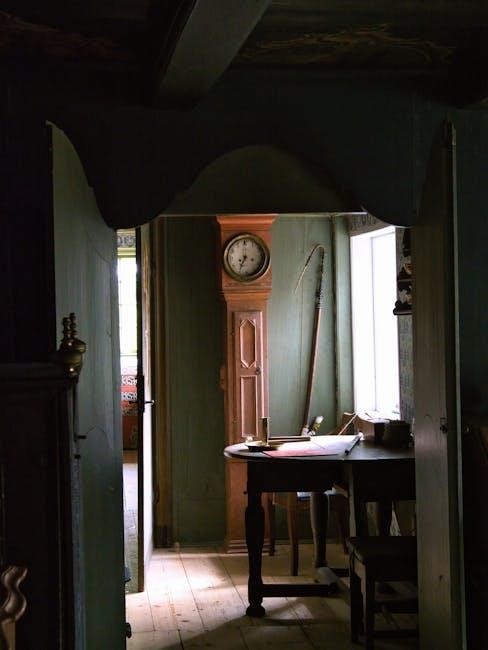
Assess enamel for hairline cracks (often invisible without magnification) and repairs. Silver dials should exhibit a rich patina‚ not excessive polishing. Brass dials should be free from significant pitting or corrosion. The clarity of the numerals and the overall aesthetic appeal contribute to the dial’s desirability and‚ consequently‚ the clock’s worth.

Original hands are crucial for maintaining a grandfather clock’s value; replacements‚ even accurate reproductions‚ diminish its worth. Hand styles evolved alongside clockmaking‚ offering clues to age and origin. Early hands were often simple‚ pierced designs‚ while later examples showcased elaborate filigree or floral motifs.
Examine the hands closely for matching style and material to the dial and case. Look for evidence of re-painting or alterations. Hands should move smoothly and indicate time accurately. The presence of matching‚ original hands confirms the clock’s integrity and significantly boosts its collectibility‚ demonstrating a preserved history and careful ownership.
Grandfather clocks featuring moon phase indicators or calendar functions – displaying the day‚ date‚ and sometimes month – command a premium. These complications demonstrate advanced clockmaking skill and were historically considered luxury features. A correctly functioning moon phase‚ accurately depicting lunar cycles‚ is particularly desirable.
Calendar mechanisms‚ though more prone to wear‚ add significant value if original and operational. Assess the accuracy of these features; discrepancies reduce worth. The complexity of these additions reflects the maker’s expertise and the clock’s historical significance‚ making them highly sought after by collectors willing to pay a substantial increase.
Determining accurate grandfather clock values necessitates utilizing various resources. LiveAuctioneers and Invaluable are excellent online databases showcasing past auction results‚ providing comparable sales data. Consulting antique dealers offers expert opinions‚ though valuations may vary.
Professional appraisers provide formal‚ documented assessments‚ crucial for insurance or estate purposes. Online forums and communities dedicated to horology – like the National Association of Watch and Clock Collectors (NAWCC) – offer valuable insights from fellow enthusiasts. Remember to cross-reference information from multiple sources for a comprehensive understanding of your clock’s market value.
Auction records represent realized prices‚ offering a tangible benchmark for valuation. LiveAuctioneers and Invaluable aggregate results from numerous auction houses globally‚ allowing searches by maker‚ style‚ and period. Carefully analyze comparable clocks – noting condition‚ movement type‚ and case material – to refine your estimate.
Filter results to focus on similar examples; a pristine‚ rare clock will command a higher price than a heavily restored or common model. Remember that auction prices include buyer’s premiums‚ so factor that into your calculations. These databases are invaluable for tracking market trends and establishing a realistic price range.
Engaging a qualified antique dealer or appraiser provides an expert opinion on your clock’s value. Experienced professionals possess in-depth knowledge of horology‚ case construction‚ and market dynamics. Look for appraisers accredited by organizations like the American Society of Appraisers (ASA) or the Appraisers Association of America (AAA).
A formal appraisal typically involves a fee‚ but delivers a documented valuation suitable for insurance‚ estate planning‚ or sale. Dealers may offer a free verbal assessment‚ but a written appraisal carries more weight. Be prepared to provide the clock’s history‚ if known‚ and any documentation you possess.

Numerous online forums and communities cater to clock enthusiasts and collectors‚ offering a valuable platform for gathering information. These resources allow you to connect with knowledgeable individuals‚ share photos of your clock‚ and solicit opinions on its potential value. Popular platforms include the National Association of Watch and Clock Collectors (NAWCC) forums and dedicated antique clock groups on social media.
However‚ exercise caution when relying solely on online opinions. Information can vary in accuracy‚ and valuations should be considered estimates. Use these communities to supplement‚ not replace‚ professional appraisals or auction record research. Remember to provide detailed descriptions and clear photographs for accurate feedback.
Grandfather clocks‚ despite their durability‚ are susceptible to various issues. Common problems include pendulum suspension spring failure‚ worn bushings‚ and damaged weights. Movement cleaning and oiling are often necessary every few decades to ensure accurate timekeeping. Dial restoration‚ case repairs (veneer lifting‚ wood damage)‚ and hand replacement also frequently arise.
Repair costs vary significantly based on the complexity of the issue and the clock’s age/rarity. Simple repairs like pendulum adjustments may cost $100-$200‚ while a complete movement overhaul can range from $500 to $1500 or more. Case restoration can add another $300-$800+‚ depending on the extent of damage. Professional assessment is crucial for accurate estimates.