Categories

This comprehensive guide details the planning‚ design‚ and operational aspects of pedestrian facilities‚ ensuring safe‚ comfortable‚ and accessible movement for all users.
Robust pedestrian infrastructure is fundamental to vibrant‚ healthy‚ and equitable communities. Prioritizing walking fosters economic activity by increasing foot traffic to local businesses and enhancing property values.
Beyond economic benefits‚ well-planned pedestrian networks promote public health by encouraging physical activity‚ reducing rates of obesity and related illnesses. Safe and accessible sidewalks‚ crosswalks‚ and paths empower individuals of all ages and abilities to navigate their surroundings independently.
Furthermore‚ investing in pedestrian facilities supports environmental sustainability by reducing reliance on automobiles‚ lessening traffic congestion‚ and lowering carbon emissions. A pedestrian-friendly environment contributes to a higher quality of life‚ fostering social interaction and a stronger sense of community. Ignoring pedestrian needs leads to isolation‚ safety concerns‚ and diminished community well-being.
This guide provides a holistic overview of pedestrian facility planning‚ encompassing the entire lifecycle from initial concept to ongoing maintenance. We cover essential elements including needs assessment‚ design principles adhering to universal accessibility standards‚ and detailed considerations for various facility types – sidewalks‚ crosswalks‚ bridges‚ and more.
The document addresses site analysis techniques for identifying key pedestrian routes and potential hazards‚ alongside operational aspects like lighting‚ signage‚ and winter maintenance protocols. It’s intended for a broad audience‚ including transportation planners‚ civil engineers‚ landscape architects‚ and policymakers.
While focusing on best practices‚ this guide acknowledges the importance of context-sensitive design‚ adapting solutions to specific local conditions and community needs. It does not delve into detailed engineering specifications but rather offers a framework for informed decision-making and successful pedestrian environment creation.
Effective planning requires recognizing diverse pedestrian needs‚ encompassing physical abilities‚ age groups‚ and trip purposes‚ to create truly inclusive environments.
Pedestrian facilities must cater to a wide spectrum of users. Children often have shorter stride lengths and limited awareness of traffic hazards‚ requiring dedicated safety measures like slower crossing signals and highly visible crosswalks.
Older adults may experience reduced mobility‚ vision‚ and reaction times‚ necessitating level surfaces‚ ample resting points‚ and increased crossing times. Individuals with disabilities‚ including those using wheelchairs‚ walkers‚ or canes‚ demand smooth‚ unobstructed pathways and accessible curb ramps compliant with ADA standards.
Parents with strollers need sufficient pathway width and curb cuts that accommodate stroller wheels. Furthermore‚ consider the needs of people with visual or hearing impairments‚ providing tactile paving and audible pedestrian signals. Inclusive design benefits everyone‚ not just those with specific needs‚ creating a more welcoming and usable public realm.
Understanding pedestrian speed is crucial for effective facility planning. The average walking speed is approximately 3.0 mph (4.8 km/h)‚ but this varies significantly. Older adults and individuals with disabilities typically walk slower‚ around 2.0-2.5 mph. Children may also have slower speeds.
Acceptable walking distances to transit stops or key destinations influence pedestrian infrastructure needs. Most people are comfortable walking up to ¼ mile (400m)‚ with willingness decreasing beyond that. Longer distances require attractive‚ safe‚ and well-maintained environments.
Design considerations should account for these variations. Longer crossing distances necessitate increased crossing times‚ while shorter blocks can encourage walking. Providing frequent rest areas and shade structures can enhance comfort and encourage longer pedestrian trips; Accurate speed and distance assumptions are vital for safe and efficient pedestrian network design.
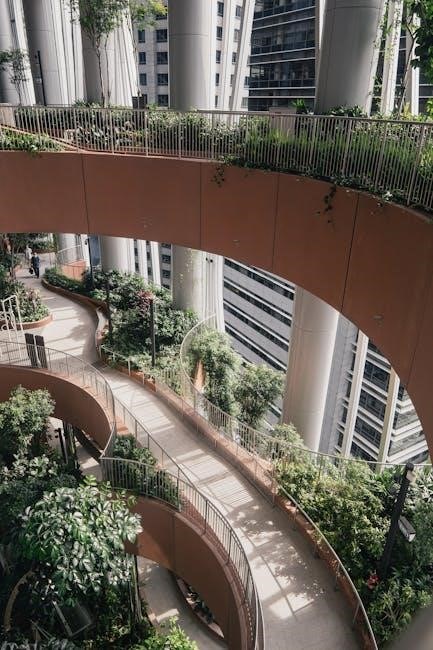
Effective pedestrian design prioritizes inclusivity‚ safety‚ and comfort through thoughtful planning and implementation of best practices for all users.

Universal Design principles are paramount in creating pedestrian facilities usable by everyone‚ regardless of age‚ ability‚ or other factors. This means moving beyond simply meeting minimum accessibility standards – like ADA compliance – and striving for inclusive environments.
Considerations include providing consistent surface textures‚ appropriate slopes‚ and detectable warnings at street crossings. Tactile paving assists visually impaired pedestrians‚ while ample widths accommodate wheelchairs‚ strollers‚ and groups.
Accessible routes should be direct and avoid unnecessary obstacles. Rest areas with seating are crucial for those who need them. Clear signage‚ utilizing both visual and tactile elements‚ enhances wayfinding. Prioritizing these elements fosters independence and dignity for all pedestrians‚ creating a truly welcoming public realm.
Furthermore‚ design should anticipate the needs of diverse users‚ including those with cognitive impairments‚ by simplifying layouts and minimizing distractions.
Pedestrian safety and security are fundamental to successful facility planning. This involves mitigating risks from vehicular traffic‚ environmental hazards‚ and potential criminal activity. Well-lit pathways deter crime and enhance visibility‚ particularly during nighttime hours.
Strategic landscaping can improve sightlines‚ reducing obscured areas where incidents might occur. Crosswalk placement should prioritize locations with clear visibility for both pedestrians and drivers. Traffic calming measures‚ like speed humps and raised crosswalks‚ further enhance safety.
Perceived safety is also crucial; a secure environment encourages walking. Regular maintenance‚ addressing issues like broken sidewalks or overgrown vegetation‚ demonstrates a commitment to pedestrian well-being. Consider incorporating pedestrian refuge islands on wider roadways.
Collaboration with local law enforcement can inform security strategies‚ and emergency call boxes can provide a direct line to assistance when needed.

Various infrastructure options support pedestrian travel‚ including sidewalks‚ crosswalks‚ bridges‚ and underpasses‚ each serving unique needs and contexts for all users.
Sidewalks and footpaths form the fundamental network for pedestrian circulation within communities. Proper design prioritizes adequate width‚ considering anticipated pedestrian volumes and potential for passing. Surface materials should be durable‚ slip-resistant‚ and compliant with accessibility standards – typically concrete or asphalt.
Maintaining consistent grades minimizes effort for walkers‚ while avoiding steep slopes is crucial for users with mobility limitations. Obstacle-free zones are essential; this includes removing protruding objects like utility poles or signage within the pedestrian right-of-way.
Buffer zones‚ achieved through landscaping or street furniture‚ can enhance pedestrian comfort and safety by separating walkways from vehicular traffic. Regular inspection and maintenance are vital to address cracks‚ uneven surfaces‚ and other hazards‚ ensuring long-term usability and preventing accidents. Consideration should be given to pedestrian amenities like benches and lighting.
Crosswalks are designated areas for pedestrians to safely cross roadways. Their placement should prioritize locations with high pedestrian volume and visibility. Marking techniques‚ including high-visibility paint and ladder-style markings‚ enhance driver awareness. Reflective materials are crucial for nighttime safety.
Pedestrian signals – including countdown timers – provide clear guidance for crossing intervals‚ improving predictability and reducing conflicts with vehicles. Accessible Pedestrian Signals (APS) are vital for visually impaired individuals‚ utilizing audible and tactile cues.
Signal timing must be carefully calibrated to accommodate pedestrian walking speeds‚ particularly for older adults and individuals with disabilities. Consideration of intersection geometry and sight lines is paramount. Regular maintenance of signal equipment and crosswalk markings is essential for continued effectiveness and safety. Proper illumination significantly improves crosswalk visibility.
Pedestrian bridges and underpasses provide grade separation‚ offering safe crossing options over or under roadways‚ railways‚ or other barriers. They are particularly valuable in high-speed or high-volume traffic environments where at-grade crossings are unsafe or impractical.
Design considerations include minimizing slopes for accessibility‚ providing adequate width to accommodate pedestrian volumes and potential bicycle traffic‚ and ensuring proper lighting for security and visibility. Materials should be durable and weather-resistant.
Underpasses require careful attention to drainage and potential for flooding. Bridges necessitate structural integrity assessments and regular inspections. Approach pathways to these facilities must be well-lit‚ direct‚ and accessible. Vandalism prevention measures‚ such as durable materials and security cameras‚ should be incorporated. Regular maintenance is crucial for long-term safety and usability.
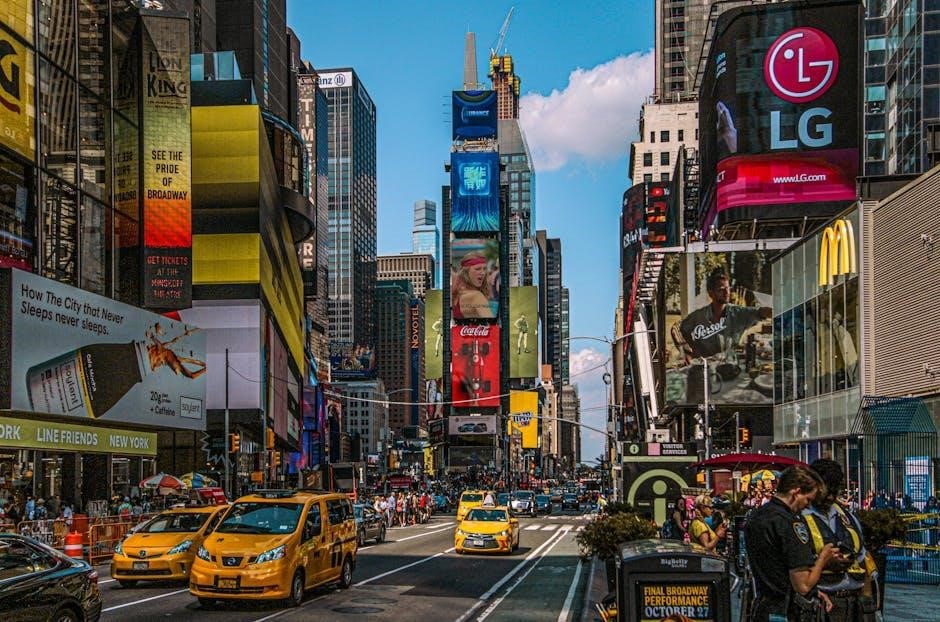
Thorough site analysis identifies pedestrian needs‚ existing infrastructure‚ and potential challenges‚ informing effective planning for safe and convenient pedestrian networks.
Understanding pedestrian origins and destinations is crucial for effective facility planning; Generators are locations producing pedestrian trips – think residential areas‚ schools‚ or transit hubs. Attractors‚ conversely‚ draw pedestrians – employment centers‚ shopping districts‚ parks‚ and recreational facilities.

Detailed mapping of these generators and attractors‚ alongside their estimated pedestrian volumes‚ allows planners to prioritize improvements. Consider peak hour usage versus off-peak times. Data collection methods include pedestrian counts‚ land use analysis‚ and community surveys.
Analyzing the relationship between generators and attractors reveals potential demand for new or improved pedestrian infrastructure. Identifying gaps in connectivity or areas with high pedestrian conflict is paramount. Furthermore‚ consider future development plans and anticipated changes in pedestrian patterns to ensure long-term effectiveness.
Pedestrian routes should prioritize directness‚ minimizing unnecessary detours and circuitous paths. A highly connected network offers multiple route choices‚ enhancing convenience and resilience. Discontinuous sidewalks or missing crosswalks force pedestrians into unsafe situations.
Connectivity isn’t solely about physical links; it also concerns the quality of those links. Routes should be well-maintained‚ adequately lit‚ and free of obstructions. Consider integrating pedestrian networks with bicycle facilities and public transportation to promote multi-modal travel.
Grid networks generally offer superior connectivity compared to cul-de-sac designs. Analyzing pedestrian desire lines – the actual paths people prefer to take – can reveal opportunities to improve route directness and address gaps in the existing network. Prioritize connections to essential destinations.

Regular inspections and proactive maintenance are crucial for long-term pedestrian facility performance‚ safety‚ and usability‚ ensuring continued accessibility for everyone.

Adequate lighting is paramount for pedestrian safety and security‚ particularly during nighttime hours or periods of reduced visibility. Effective illumination deters crime‚ enhances pedestrian awareness of potential hazards‚ and improves comfort levels.
Lighting design should consider factors like pedestrian volumes‚ adjacent land uses‚ and potential glare. Uniform lighting minimizes shadows and contrasts‚ while strategically placed fixtures highlight crosswalks and other critical areas.
Beyond artificial lighting‚ maximizing natural visibility through vegetation management and clear sightlines is essential. Removing obstructions like overgrown bushes or parked vehicles improves overall safety. Reflective materials on signage and pavement markings further enhance visibility‚ especially in low-light conditions. Regular maintenance of lighting fixtures – bulb replacements and cleaning – is vital to sustain optimal performance and ensure continued pedestrian safety.

Effective winter maintenance is crucial for maintaining pedestrian accessibility and safety during snowy and icy conditions. A proactive plan should prioritize clearing sidewalks‚ crosswalks‚ and pedestrian bridges promptly after snowfall.
Methods range from manual shoveling and snow blowing to the use of de-icing agents like salt or sand. Environmentally responsible de-icers should be considered to minimize damage to vegetation and infrastructure.
Regular monitoring of weather forecasts allows for pre-treatment of surfaces to prevent ice formation. Designated personnel should be responsible for implementing the winter maintenance plan and responding to changing conditions. Clear communication with the public regarding snow removal schedules and pedestrian safety advisories is also essential. Prioritizing accessibility for all users‚ including those with mobility impairments‚ is a key component of a successful winter maintenance strategy.