Categories

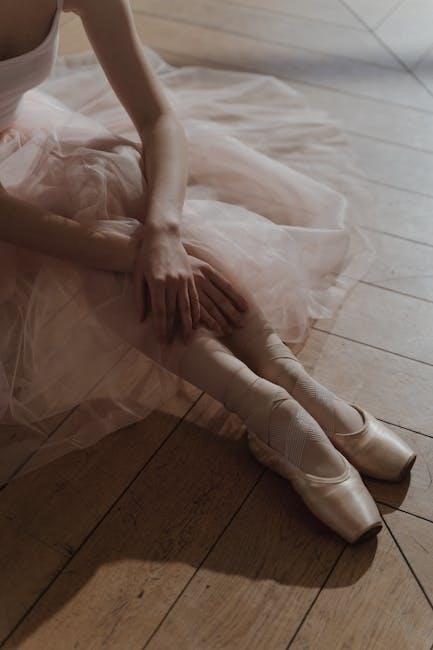
Navigating tutu sizing can be tricky! This comprehensive guide ensures dancers of all levels achieve a comfortable and aesthetically pleasing fit for performance and practice.
Different tutu styles necessitate varying fit considerations. The classic classical (pancake) tutu, known for its flat, rigid shape, demands precise girth measurements to ensure a secure and supportive fit, projecting outwards from the body.
In contrast, the romantic tutu, with its softer, flowing layers, prioritizes hip measurements for a graceful silhouette; it’s designed to move with the dancer.
Finally, the bell tutu, offering a versatile shape, requires attention to length and overall proportion, adapting to diverse choreography. Understanding these distinctions is crucial before measuring, as sizing can differ significantly between styles.
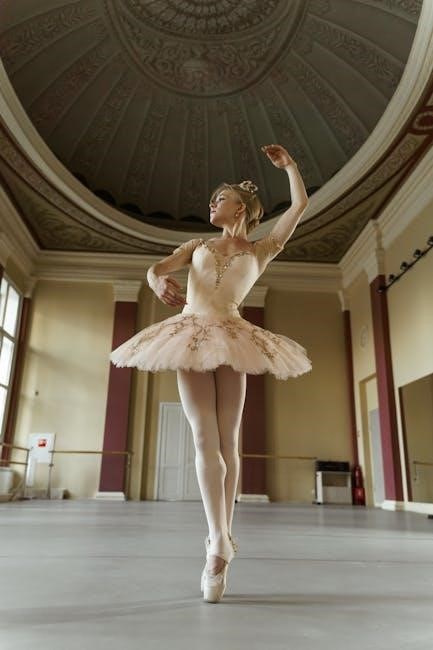
Classical, or pancake, tutus are the hallmark of classical ballet, demanding a very specific fit for optimal performance. These tutus are characterized by their flat, horizontal shape, achieved through multiple layers of stiff tulle supported by a wire hoop.
Accurate girth measurement is paramount, as the tutu must sit securely around the hips without restricting movement. Waist measurement is also vital, but the focus is on a snug, supportive fit that allows the tutu to maintain its iconic shape.
Padding is often used to enhance the silhouette, requiring adjustments to accommodate the added volume.
Romantic tutus evoke a softer, more ethereal aesthetic than their classical counterparts. Reaching mid-calf length, these tutus feature a conical shape created with layers of flowing tulle.
While waist measurement remains crucial, hip measurement gains increased importance due to the tutu’s fuller, more voluminous design. The tutu should gracefully extend from the waist, creating a flattering line without appearing overly tight or restrictive.
Consider the desired level of fullness; some romantic tutus are designed to be more gathered and airy than others, influencing the ideal fit.
Bell tutus offer a versatile and playful silhouette, characterized by a gradually sloping line that resembles an inverted bell. Length can vary significantly, from just above the knee to mid-thigh, depending on the desired style and choreography.
Accurate waist and hip measurements are essential for a bell tutu, as the fit needs to be snug enough to maintain the shape but allow for comfortable movement. Girth measurement can also be helpful, particularly for tutus with a more pronounced flare.
Pay attention to the tutu’s construction; some bell tutus feature a built-in basque, which will affect the overall fit.
Precise measurements are the cornerstone of a well-fitting tutu! Unlike standard clothing sizes, tutu sizing requires specific body measurements to ensure optimal comfort and performance. It’s best to have a friend assist you for accuracy. Use a flexible measuring tape, and measure directly against the skin – avoid measuring over clothing.
We’ll focus on three key measurements: waist, hip, and girth. Waist measurement establishes the foundation, while hip measurement is crucial for fuller styles. Girth measurement is particularly important for classical (pancake) tutus, dictating the basque’s fit.
The waist measurement is the primary determinant of tutu size. Locate your natural waistline – typically the narrowest part of your torso, above your belly button. Stand relaxed, with your feet shoulder-width apart, and exhale normally. Wrap the measuring tape snugly around your waist, ensuring it’s level all the way around.
Avoid pulling the tape too tightly, or leaving it too loose. Record the measurement in inches or centimeters, and double-check for accuracy. This measurement will be the starting point when consulting tutu sizing charts. Remember to maintain good posture during measurement for the most reliable result!
The hip measurement becomes crucial when selecting fuller tutu styles, such as romantic or bell tutus, where the skirt extends beyond the waist. Find the fullest part of your hips and buttocks, and stand with your feet together. Wrap the measuring tape around this area, ensuring it’s level and not digging into your skin.
Maintain a relaxed posture and breathe normally during measurement. Record the measurement alongside your waist size. This information helps determine if the tutu will comfortably accommodate your hip circumference, preventing a tight or restrictive fit. It’s especially important for tutus with multiple layers or embellishments.
For classical (pancake) tutus, a girth measurement is absolutely essential as these tutus rely on a snug, supportive fit around the hips to maintain their iconic shape. Measure around the fullest part of your hips and buttocks, similar to the hip measurement, but also include a measurement around the waist, just above the hip bones.
This combined measurement provides the total circumference needed to ensure the tutu’s basque (the fitted portion) sits correctly and supports the pancake shape. Accurate girth measurement prevents the tutu from riding up, down, or twisting during movement. It’s vital for professional-level pancake tutus requiring precise fitting.
While sizing can vary between brands, these charts offer a general guideline for finding your tutu size. Remember that tutu sizing isn’t always directly correlated with clothing size; measurements are key! Always prioritize measuring yourself and comparing those measurements to the specific chart provided by the manufacturer or retailer.
These charts typically use waist and hip measurements to determine the appropriate size. Consider the tutu style – fuller styles may require a larger hip measurement. Below, you’ll find common size ranges for children, girls, and teens/adults, but always double-check!
For our youngest dancers, accurate measurement is crucial as they grow quickly! Typically, children’s tutu sizes range from size XS (extra small) to size L (large), often corresponding to approximate age ranges. However, age is just a guide; measurements are paramount.
A size XS usually fits a waist of 18-20 inches, S (20-22 inches), M (22-24 inches), and L (24-26 inches). Always measure the natural waist – the narrowest part of the torso. Consider the tutu’s style; a fuller tutu might need a slightly larger size for comfortable movement. Refer to the retailer’s specific chart!
As girls enter pre-teen years, sizing becomes a bit more standardized, but individual variations remain significant. Common sizes include Girls’ S, M, and L, frequently aligning with waist measurements. A Girls’ S typically fits a 24-26 inch waist, M (26-28 inches), and L (28-30 inches).
Hip measurement becomes more important at this age, especially for romantic or bell-style tutus. Ensure the hips can comfortably fit within the tutu’s circumference. Don’t assume size consistency between brands – always consult the specific size chart provided by the manufacturer or retailer. Prioritize comfort and freedom of movement!
Teen and adult tutu sizing generally utilizes standard US dress sizes, ranging from XS to XXL or beyond, depending on the brand. Waist measurements are crucial; an XS might fit a 25-26 inch waist, S (27-28 inches), M (29-30 inches), L (31-32 inches), XL (33-34 inches), and XXL (35-36 inches).
However, adult tutus often require more precise measurements, including hip and girth, particularly for classical pancake tutus. Always check the brand’s specific chart, as sizing can vary considerably. Consider whether you need a custom-made tutu for the most accurate and flattering fit, especially for professional performances.
Tutu sizing isn’t standardized; each brand often employs its unique measurements and fit philosophies. What you wear as a Medium in one brand might be a Large in another! Bloch, Capezio, and Grishko – prominent names in dancewear – all have distinct sizing charts.
Therefore, relying solely on general size guides is insufficient. Always consult the specific brand’s chart before purchasing. These charts usually detail waist, hip, and girth measurements corresponding to their sizes. Ignoring this can lead to an ill-fitting tutu, impacting comfort and performance.

Bloch generally runs true to size, but their sizing can vary slightly depending on the tutu style – classical, romantic, or bell. Their charts prioritize waist measurement as the primary indicator, followed by hip measurement for fuller styles.
Bloch’s online size guide provides detailed measurements in both inches and centimeters. Pay close attention to the ‘girth’ measurement, especially for pancake tutus, as it dictates the basque’s fit. Consider checking recent customer reviews for insights into specific tutu models, as fit experiences can differ.
Capezio offers a range of tutus, and their sizing tends to be consistent across styles, though always consult their specific chart for the model you’re considering. Waist measurement is key, but Capezio also emphasizes the importance of chest measurement for proper bodice fit, particularly in practice tutus with built-in leotards.
Their size charts are readily available on the Capezio website and often include helpful notes about stretch fabrics and intended fit. Some dancers find Capezio tutus run slightly smaller, so consider sizing up if you’re between sizes. Reviewing customer feedback can provide valuable real-world insights.
Grishko, renowned for its pointe shoes, also provides high-quality tutus. Their sizing philosophy prioritizes a secure and supportive fit, crucial for demanding choreography. Waist and hip measurements are both essential, especially for romantic and bell tutus where the skirt’s fullness impacts comfort.
Grishko’s size charts are detailed and often include guidance on selecting the correct basque size. Dancers often note that Grishko tutus maintain their shape exceptionally well, but a precise fit is vital to maximize this benefit. Check the specific tutu’s product page for any unique sizing recommendations.
Tutu length dramatically influences the overall aesthetic and impacts a dancer’s movement. Classical tutus, designed to showcase leg extension, typically fall just above the knee, emphasizing line and precision. Romantic tutus, with their softer, flowing skirts, reach mid-calf, creating a more lyrical appearance.
Bell tutus offer the most variation; length can range from above the knee to ankle-length, depending on the choreography and desired effect. Consider the dance style and personal preference when selecting length. A properly proportioned tutu enhances performance and visual harmony.
Classical tutu length, a hallmark of ballet, consistently finishes above the knee, generally between 2-4 inches. This precise length is crucial for displaying a dancer’s technique, particularly pointe work and leg extensions. It allows judges and audiences a clear view of the dancer’s form and line.
The exact placement varies slightly based on individual proportions, but the goal remains consistent: to create a visually striking silhouette. Proper measurement from waist to desired hemline is essential for achieving this classic look. This length demands strong core engagement for stability.
Romantic tutus, evocative of the ballet era, feature a length that gracefully falls to mid-calf. This length creates a softer, flowing aesthetic, often associated with ethereal characters and narratives. The fullness of the skirt, combined with the longer hemline, contributes to a romantic and lyrical quality.
Accurate measurement is vital; typically, this length adds approximately 12-16 inches to the waist measurement. This style often incorporates multiple layers of tulle to maintain its shape and volume. It’s ideal for roles demanding fluidity and expressive movement, enhancing the dancer’s overall performance.
Bell tutus are known for their versatility, and consequently, their length can significantly vary depending on the specific design and choreography. Some bell tutus are short and playful, hitting just above the knee, while others extend to a more moderate mid-thigh or even knee-length.
The length is often dictated by the character portrayed and the overall aesthetic of the ballet. Shorter lengths emphasize energy and lightness, while longer lengths can convey a sense of elegance and drama. When measuring for a bell tutu, always consult the specific requirements of the costume or choreographer.
Even with careful measurements, a tutu may require minor adjustments for a truly perfect fit. Many tutus feature drawstrings or hooks at the waist, allowing for a degree of customization. These should be used cautiously to avoid damaging the delicate construction.
For pancake tutus, adjustments often involve padding and support elements. These can be added or removed to refine the shape and ensure a secure, comfortable fit. Remember that significant alterations are best left to a professional dancewear specialist to maintain the tutu’s integrity and appearance.
Tutus commonly incorporate drawstrings or hook-and-eye closures at the waistband to facilitate minor size adjustments. Gently tighten drawstrings to secure a snug fit, but avoid over-tightening, which can restrict movement or damage the fabric. Hooks offer a more precise adjustment, allowing for incremental changes.
When using hooks, ensure they are securely fastened to prevent wardrobe malfunctions during performance. Always test the adjustment by performing basic dance movements to confirm comfort and security. If adjustments feel insufficient, consider consulting a professional fitter before proceeding.
Classical (pancake) tutus often require internal padding to achieve the desired shape and provide adequate support. Adjusting padding levels impacts the tutu’s silhouette and how it sits on the dancer’s hips. More padding creates a wider, more pronounced pancake shape, while less offers a streamlined look.
Ensure padding is securely attached and evenly distributed to prevent discomfort or unevenness. The basque, the supportive structure, should fit snugly but not restrict breathing. Regularly check the basque’s integrity and adjust straps for optimal support during rehearsals and performances.
Even with careful measurement, fit issues can arise. A tutu feeling too tight often indicates an incorrect waist measurement or insufficient stretch in the fabric. Conversely, a loose tutu suggests the waist is too large, potentially requiring adjustments or a smaller size.
Riding up or down frequently stems from improper basque fit or uneven weight distribution. Ensure the basque sits securely on the hips and consider adding grippy elastics to the waistband. Don’t hesitate to consult a dancewear professional for personalized solutions!
If your tutu feels constricting, double-check your initial waist measurement – it’s the most common culprit! Ensure the measuring tape is snug but not digging in. Consider whether you measured over clothing; measurements should be taken directly against the skin or with minimal undergarments.
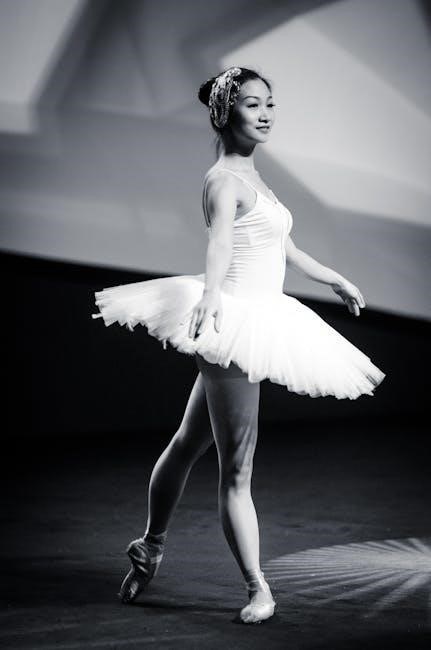
Stiffer tulle varieties can feel snugger than softer ones. Gently try to stretch the waistband; a little give is normal, but excessive strain indicates a size issue. Avoid forcing it, as this can damage the tutu. If adjustments aren’t possible, exchanging for a larger size is recommended.
A loose-fitting tutu can be just as problematic as one that’s too tight, impacting both comfort and appearance. First, re-measure your waist to confirm your current size hasn’t changed. If the measurement remains consistent, the tutu may simply be too large.
Look for adjustment features like drawstrings or hooks – utilize these to cinch the waistband tighter. For pancake tutus, ensure the internal support structure (if present) is properly adjusted. If no adjustments suffice, consider adding a thin belt or wearing appropriate undergarments for a more secure fit. Exchanging for a smaller size is often the best solution.
A tutu that constantly shifts position is distracting and uncomfortable. If it rides up, the waistband is likely too small, creating excessive pressure. Conversely, if it slides down, the waistband is too loose and lacks sufficient grip.
Check the waistband’s elasticity – worn-out elastic will contribute to slippage. Adjust drawstrings or hooks if available. Consider wearing dance shorts or tights with a silicone strip to provide added friction. For pancake tutus, ensure the basque is correctly positioned and secured. If issues persist, a professional fitting is recommended to assess the tutu’s construction and your body’s proportions.
The tulle used significantly affects a tutu’s fit and feel. Stiffer tulle, often nylon, holds its shape beautifully, providing a classic look, but can feel snug – accurate measurements are crucial. It offers excellent support, especially for pancake styles.
Softer tulle, like polyester, is more flexible and comfortable, but requires a well-fitted basque or supportive undergarments to maintain the desired silhouette. It’s ideal for romantic or bell tutus where a flowing effect is preferred. Consider the tulle’s density; denser tulle will feel more restrictive than lighter layers.
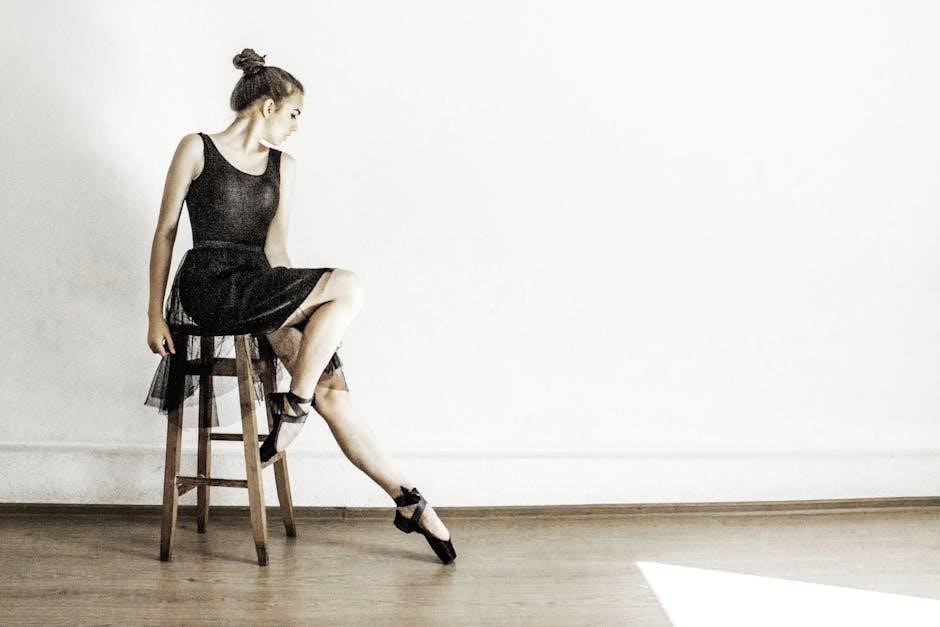
Nylon tulle is renowned for its ability to maintain a tutu’s sculpted shape, particularly vital for classical pancake styles demanding a rigid, horizontal line. However, this firmness means it often feels snugger against the body than softer alternatives.
Precise measurements are paramount when working with stiffer tulle; a too-small tutu will be incredibly restrictive, while a larger one may lose its intended form. Expect a secure, supportive fit – it shouldn’t feel loose. Padding and careful basque fitting are essential for comfort and proper projection.
Polyester or chiffon tulle offers a graceful drape and greater flexibility, making it ideal for romantic and bell tutus where a softer aesthetic is desired. This material’s inherent give means it requires a well-structured basque and potentially additional internal layers for adequate support.
While comfortable, softer tulle won’t hold a shape on its own. Accurate measurements are still crucial, but allow for a slightly closer fit, knowing the material will stretch. Proper undergarments and a supportive bodice are key to preventing sagging and ensuring the tutu maintains its intended silhouette during movement.
Accurate sizing begins with reliable resources! Most online dancewear retailers provide detailed size charts directly on their product pages. Look for charts specific to tutus, as sizing can differ from other dance apparel. These charts often include instructions on how to take measurements correctly.
Don’t overlook the manufacturer’s website. Brands like Bloch, Capezio, and Grishko offer comprehensive sizing guides tailored to their specific tutu constructions. Comparing charts from multiple sources can help ensure the best possible fit, especially when purchasing online.
Convenience meets accuracy with online retailer charts! Reputable dancewear retailers understand the importance of a good fit and typically provide extensive sizing information. These charts usually feature measurements for waist, hips, and girth, correlating them to specific tutu sizes.
Pay close attention to any notes regarding the brand’s fit. Some retailers indicate if a brand runs small, large, or true to size. Always read the measurement instructions carefully and, if possible, compare your measurements to multiple charts before making a purchase.
For the most precise sizing information, head straight to the source: the manufacturer’s website! Brands like Bloch, Capezio, and Grishko offer detailed sizing charts specifically tailored to their tutu constructions. These charts often include diagrams illustrating where and how to take accurate measurements.
Manufacturer websites may also provide guidance on specific tutu styles, such as pancake, romantic, or bell tutus, as sizing can vary. Don’t hesitate to consult their FAQs or contact customer support if you have any questions about finding the perfect fit for their products.
Securing a professional tutu fitting is invaluable, especially for serious dancers or those new to fitted dancewear. A knowledgeable dancewear specialist can assess your body type and movement needs to recommend the optimal size and style. They’ll expertly measure your waist, hips, and girth, ensuring accuracy beyond self-measurement.
The importance of a proper fitting extends beyond comfort; it directly impacts technique and performance quality. A well-fitted tutu allows for unrestricted movement, enhancing lines and preventing distractions. Investing in professional guidance can save time, money, and frustration in the long run.
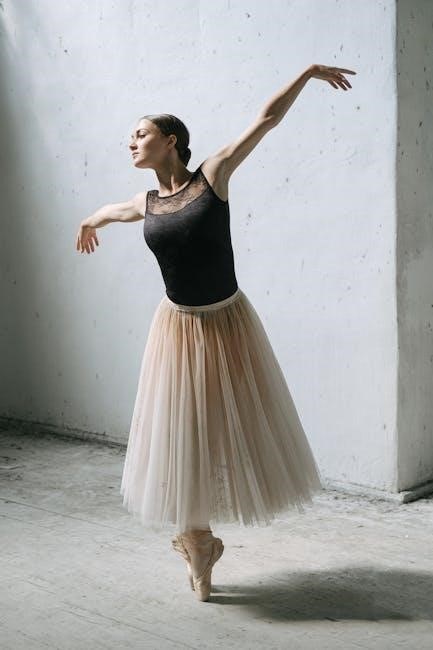
Locating a reputable dancewear specialist is the first step towards a perfect tutu fit. Look for stores with experienced staff who understand the nuances of ballet and tutu construction. These professionals are trained to identify potential fitting issues and offer tailored solutions.
Don’t hesitate to bring your dance shoes and leotard to the fitting – this allows for a complete assessment of your silhouette. Be prepared to demonstrate basic ballet movements so the specialist can observe how the tutu interacts with your body. A skilled specialist will patiently guide you through various options, ensuring confidence and comfort.
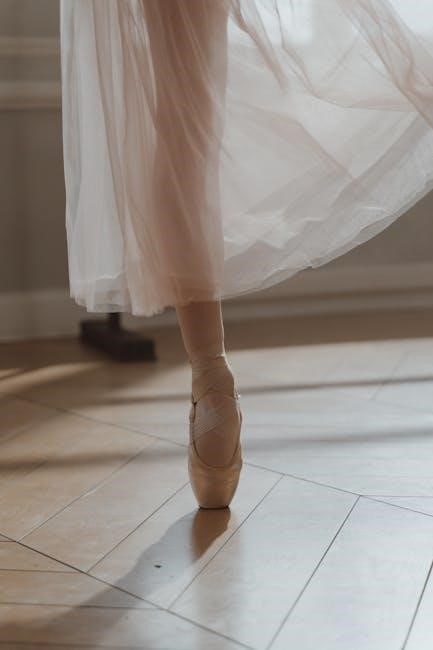
A correctly fitted tutu is paramount for both performance quality and dancer well-being. An ill-fitting tutu can restrict movement, causing discomfort and potentially leading to injury. Proper fit enhances the dancer’s lines, creating a visually stunning presentation on stage.
Beyond aesthetics, a well-fitted tutu boosts confidence. Dancers feel more secure and free to express themselves when they aren’t preoccupied with adjusting their attire. Investing time in a professional fitting is an investment in the dancer’s artistry and physical health, ensuring a positive and empowering experience.