Categories

Certified Orthopedic Manual Therapy (COMT) signifies advanced clinical skills for Physical Therapists, Physicians, and Doctors of Chiropractic, focusing on musculoskeletal health.
This specialization demonstrates a commitment to evidence-guided, hands-on patient care, enhancing treatment outcomes and professional autonomy within the evolving physical therapy landscape.
Orthopedic Manual Therapy (OMT) is a specialized form of hands-on treatment focused on the musculoskeletal system. It goes beyond general physical therapy by employing skilled assessment and precise manual techniques to diagnose and treat pain, dysfunction, and movement impairments.
These techniques include joint mobilization and manipulation, soft tissue mobilization, and targeted therapeutic exercise prescription. The goal is to restore optimal joint mechanics, reduce pain, improve muscle function, and enhance overall movement patterns.
COMT-certified practitioners utilize a comprehensive evaluation process to identify the root cause of a patient’s condition, developing personalized treatment plans to address specific needs and promote long-term wellness.
A Certified Orthopedic Manual Therapist (COMT) plays a crucial role in advanced patient care, utilizing specialized skills to address complex musculoskeletal conditions. They perform detailed evaluations, identifying impairments impacting movement and function.
COMTs expertly apply hands-on techniques – joint mobilization, manipulation, and soft tissue work – to restore joint mechanics and reduce pain. They also design individualized therapeutic exercise programs to improve strength, flexibility, and stability.
Furthermore, COMTs contribute to the evolution of physical therapy, embracing evidence-guided practice and autonomous decision-making, ultimately improving patient outcomes and quality of life.
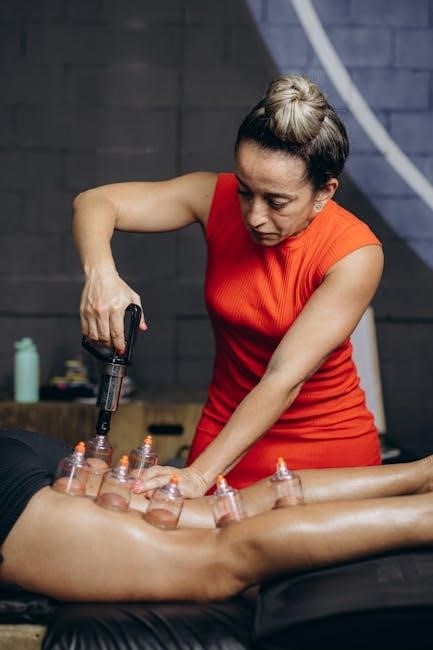
COMT certification is exclusively available to licensed professionals: Physical Therapists, Physicians, and Doctors of Chiropractic, demonstrating a commitment to advanced orthopedic care.
Physical Therapists seeking COMT certification embark on a path of specialized training, demonstrating dedication to advanced musculoskeletal patient care. Successful completion of OMT 1-5 courses prepares therapists for the rigorous certification exam.
These courses involve intensive hands-on practice, case study analysis with experienced instructors, and a deep dive into common musculoskeletal conditions. The focus is on mastering manual therapy treatment interventions, enhancing diagnostic skills, and refining clinical reasoning.
Certification signifies a commitment to evidence-guided practice and elevates the therapist’s ability to provide personalized, effective treatment plans, ultimately improving patient outcomes.
Physicians pursuing COMT certification broaden their diagnostic and therapeutic skillset within the realm of musculoskeletal medicine. This advanced training complements traditional medical approaches, offering a hands-on dimension to patient care.
The certification pathway, through IAOM-US, requires successful completion of specialized examinations – Upper Extremity, Lower Extremity, or Complete Extremity. These assessments validate a physician’s proficiency in orthopedic manual therapy techniques and clinical reasoning.
COMT certification empowers physicians to provide comprehensive, integrated care, addressing the biomechanical components of patient conditions and enhancing overall treatment effectiveness.
Doctors of Chiropractic seeking COMT certification demonstrate a dedication to advanced musculoskeletal assessment and treatment methodologies. This credential enhances their existing expertise in spinal manipulation and holistic patient care.
The IAOM-US certification process involves successfully completing either the Upper Extremity, Lower Extremity, or Complete Extremity examinations, validating a chiropractor’s mastery of orthopedic manual therapy principles.
COMT certification allows chiropractors to integrate a broader range of manual techniques into their practice, providing patients with more comprehensive and individualized treatment plans for diverse musculoskeletal conditions.
COMT certification through the IAOM-US offers options: Upper Extremity, Lower Extremity, or Complete Extremity, each requiring specific course completion and successful exam passage.
The International Association of Orthopedic Manual Therapists – US (IAOM-US) provides distinct pathways to achieve COMT certification, catering to varied learning preferences and clinical focuses. Individuals can pursue Upper Extremity Certification, demanding completion of three, three-day courses covering the shoulder, elbow, wrist, and thumb. Alternatively, the Lower Extremity Certification requires three similar courses dedicated to the hip, knee, ankle, and foot.
For a comprehensive credential, the Complete Extremity Certification is available, encompassing all six three-day courses – a thorough exploration of both upper and lower limb musculoskeletal assessment and treatment. Successful completion of any of these examination tracks signifies a high level of competency in orthopedic manual therapy principles and techniques.
The IAOM-US Upper Extremity Certification focuses on mastering the assessment and manual therapy treatment of the shoulder, elbow, wrist, and thumb. This pathway requires dedicated study across three intensive, three-day courses. Each course delves into the specific anatomy, biomechanics, and pathology relevant to these joints.
Participants gain hands-on experience in applying appropriate manual techniques to address common musculoskeletal dysfunctions. Successful completion demonstrates proficiency in evaluating and treating upper limb conditions, enhancing a therapist’s ability to restore function and alleviate pain. This certification is a valuable step towards comprehensive COMT status.
The IAOM-US Lower Extremity Certification concentrates on the detailed assessment and effective manual treatment of the hip, knee, ankle, and foot. This specialized track necessitates completion of three separate, three-day courses, each dedicated to a specific region of the lower limb.
These courses provide in-depth knowledge of the anatomy, biomechanics, and common pathologies affecting these joints. Participants develop practical skills in applying targeted manual therapy techniques to restore optimal movement and reduce pain. Achieving this certification signifies a strong foundation in lower extremity musculoskeletal care, contributing to overall COMT competency.
The IAOM-US Complete Extremity Certification represents the most comprehensive pathway, demanding mastery of both upper and lower extremity manual therapy techniques. This rigorous certification requires completion of six intensive, three-day courses.
These courses cover the shoulder, elbow, wrist & thumb, hip, knee, and ankle & foot, providing a holistic understanding of extremity musculoskeletal dysfunction. Successful completion demonstrates a high level of clinical proficiency, enabling therapists to effectively assess and treat a wide range of orthopedic conditions throughout the entire body.
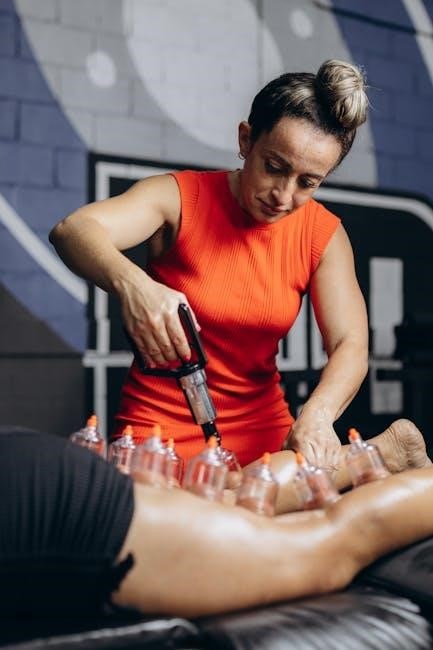
OMT 1-5 course completion qualifies Certified Physical Therapists to pursue certification, involving case discussions and manual therapy practice with a Senior Orthopedic Manual Therapist.
Successfully completing OMT 1 through 5 is a crucial step towards achieving Orthopaedic Manual Therapy certification for eligible Certified Physical Therapists. This intensive series provides a deep dive into advanced manual techniques and comprehensive musculoskeletal assessment strategies.
A significant component of this stage involves dedicating a full day to small group sessions led by a seasoned Senior Orthopaedic Manual Therapist (SOMT). During these sessions, participants meticulously analyze real-world patient cases, focusing on common musculoskeletal conditions.
The emphasis is placed on actively practicing and refining manual therapy treatment interventions, solidifying theoretical knowledge with practical application, and preparing therapists for the certification exam.
The certification exam for Orthopaedic Manual Therapy is a rigorous assessment designed to evaluate a candidate’s mastery of advanced clinical skills and theoretical knowledge. Successful completion of OMT 1-5 courses grants eligibility to sit for this challenging examination.
The exam format typically involves a combination of components, including a written section testing understanding of orthopedic principles and manual therapy techniques. Furthermore, a significant practical component requires candidates to demonstrate proficiency in performing accurate assessments and delivering effective manual interventions.
Candidates must showcase their ability to apply learned concepts to real-world patient scenarios, demonstrating clinical reasoning and technical expertise.
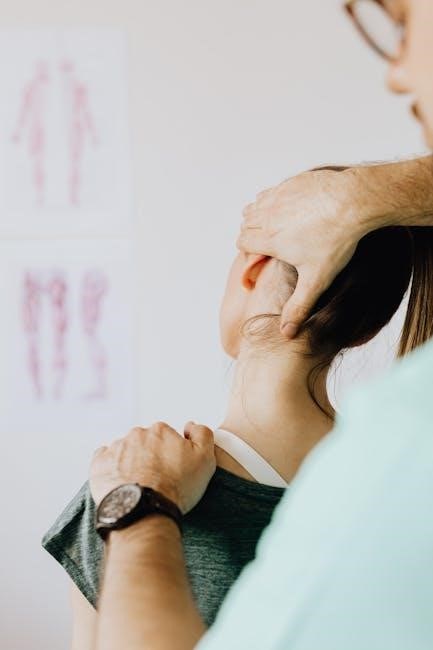
COMT exam preparation involves focused hands-on manual therapy courses, comprehensive training programs, and a deep dive into musculoskeletal conditions for optimal success.
Maitland-Australian Physiotherapy Seminars provides crucial, practical experience for aspiring COMT certified professionals. These courses are designed to equip therapists with the necessary skills to excel on the certification exam and in clinical practice.
Emphasis is placed on developing proficiency in manual assessment techniques and treatment interventions. Participants actively engage in case studies, practicing on common musculoskeletal conditions under the guidance of experienced SOMT instructors. This immersive approach ensures a strong foundation in orthopedic manual therapy principles and techniques, preparing candidates for the rigorous demands of the COMT examination.
OPTIMs Orthopedic Manual Therapy Specialization (OMTS) offers a robust pathway for clinicians seeking advanced skills and orthopedic knowledge. These programs go beyond basic techniques, fostering a deep understanding of musculoskeletal biomechanics and pathology.
Successful completion of OMT 1-5 courses is a prerequisite for eligibility to sit for the certification exam. These courses involve intensive study and practical application, culminating in a full day dedicated to case discussions and treatment practice with a SOMT instructor. This holistic approach ensures therapists are well-prepared to address complex patient needs and achieve COMT certification.
COMT-certified practitioners develop expertise in evaluating and treating a wide spectrum of musculoskeletal conditions. Training emphasizes practical application through case studies, mirroring real-world clinical scenarios.
Therapists dedicate significant time discussing common conditions – like those affecting the shoulder, elbow, hip, knee, ankle, and foot – with experienced SOMT instructors. This focused approach refines manual therapy treatment interventions, ensuring effective patient care. The curriculum prepares clinicians to confidently address complex presentations, improving patient outcomes and solidifying their expertise in orthopedic manual therapy.
COMT-certified therapists master manual assessment, joint mobilization, soft tissue mobilization, and therapeutic exercise prescription for optimal patient rehabilitation.
Certified Orthopedic Manual Therapists (COMTs) utilize a comprehensive suite of manual assessment techniques to precisely identify musculoskeletal dysfunction. This involves detailed palpation to assess tissue texture, tenderness, and movement restrictions. They perform range of motion testing, both active and passive, to determine joint limitations and pain provocation.
Neurological screening helps rule out nerve involvement, while specific orthopedic tests pinpoint ligamentous or meniscal injuries. COMTs skillfully combine these assessments to create a thorough understanding of the patient’s condition, guiding individualized treatment plans and ensuring accurate diagnoses for effective care.
Certified Orthopedic Manual Therapists (COMTs) expertly employ joint mobilization and manipulation techniques to restore optimal joint mechanics and reduce pain. Mobilization involves gentle, rhythmic oscillations to improve joint range of motion and decrease stiffness. Manipulation utilizes a high-velocity, low-amplitude thrust to address specific joint restrictions.
These techniques are carefully applied based on the patient’s individual assessment, considering factors like pain levels and tissue irritability. COMTs prioritize patient safety and comfort, utilizing precise hand positioning and controlled forces to achieve therapeutic goals, enhancing function and alleviating discomfort.
Certified Orthopedic Manual Therapists (COMTs) skillfully utilize soft tissue mobilization to address muscle imbalances, fascial restrictions, and myofascial trigger points. These techniques involve applying manual pressure to muscles, tendons, ligaments, and fascia to release tension, improve tissue extensibility, and reduce pain.
COMTs employ a variety of methods, including myofascial release, instrument-assisted soft tissue mobilization, and muscle energy techniques. These interventions aim to restore optimal soft tissue length and function, enhancing joint mechanics and movement patterns, ultimately improving patient comfort and overall well-being.
Certified Orthopedic Manual Therapists (COMTs) expertly integrate therapeutic exercise into comprehensive treatment plans. Beyond manual techniques, COMTs design individualized exercise programs to address specific movement impairments, restore strength and endurance, and enhance functional capacity.
These exercises focus on restoring proper muscle activation patterns, improving core stability, and promoting optimal biomechanics. COMTs progress exercises systematically, considering patient response and functional goals. This approach empowers patients to actively participate in their recovery, fostering long-term independence and preventing future injuries, crucial for autonomous practice.

Physical Therapy now embraces autonomous, evidence-guided practice, driving specialization like Certified Orthopedic Manual Therapy (COMT), enhancing clinical skills and orthopedic knowledge.
Evidence-guided practice is a cornerstone of modern Physical Therapy and is particularly crucial for Certified Orthopedic Manual Therapists (COMTs). This approach emphasizes clinical decision-making based on the best available research evidence, combined with the therapist’s clinical expertise and the patient’s unique values and circumstances.
COMTs utilize research findings to inform their manual therapy techniques, ensuring interventions are effective and appropriate for specific musculoskeletal conditions. This commitment to evidence ensures that treatment plans are continually refined and optimized, leading to improved patient outcomes and a higher standard of care within the specialized field of orthopedic manual therapy.
The Physical Therapy profession has evolved significantly, increasingly embracing autonomous practice, and Certified Orthopedic Manual Therapists (COMTs) exemplify this shift. This autonomy allows COMTs to independently evaluate, diagnose, and treat musculoskeletal conditions without requiring direct physician oversight in many settings.
However, this independence is coupled with a high level of professional responsibility. COMTs must possess advanced clinical reasoning skills and a deep understanding of orthopedic principles to effectively manage patient care. This advanced skillset enables them to deliver specialized, patient-centered treatment, contributing to improved healthcare access and efficiency.
COMT practice location impacts income and lifestyle; Santa Barbara, California, boasts high housing costs, while Malvern, Pennsylvania, offers more affordable options.
Santa Barbara, California, presents a desirable lifestyle but comes with a significant financial commitment for COMT practitioners. In 2023, the mean price for all housing units exceeded $1,000,000, with detached houses also surpassing that mark. Townhouses and attached units averaged $771,187, while units in smaller structures remained expensive.
Rental costs are equally substantial, with a median gross rent of $2,285 in 2023. The December 2024 cost of living index stands at 127.0, indicating a considerably higher expense compared to the national average. This high cost of living must be factored into financial planning for therapists considering practice in this region.
Malvern, Pennsylvania, offers a more accessible housing market compared to Santa Barbara, California, for COMT certified professionals. The mean price for all housing units in 2023 was $530,131, with detached houses averaging $567,082. Townhouses and attached units were priced around $582,468, presenting relatively affordable options.
While still above the national average, Malvern’s housing costs are significantly lower than those in Santa Barbara. This difference impacts the overall cost of living, potentially making it a more financially viable location for therapists establishing their practice or relocating. Careful consideration of these factors is crucial.
COMT certified professionals must engage in ongoing learning to maintain their credentials and refine advanced manual therapy techniques, ensuring optimal patient care.
Maintaining COMT certification requires a dedication to lifelong learning and professional growth within the field of orthopedic manual therapy. Certified practitioners are expected to actively participate in continuing education activities, staying abreast of the latest research and advancements in musculoskeletal care.
This commitment ensures they consistently deliver high-quality, evidence-based treatment to their patients. Recertification often involves demonstrating continued clinical practice, participation in advanced workshops, and potentially, re-evaluation of skills to uphold the rigorous standards of the IAOM-US and the COMT designation.
Certified Orthopedic Manual Therapists (COMTs) continually refine their skillset beyond foundational techniques. Advanced training encompasses intricate neurological assessments, visceral manipulation impacting musculoskeletal function, and specialized approaches to complex pain syndromes.
These techniques often involve a deeper understanding of fascial connections, biomechanical imbalances, and the interplay between structure and function. OPTIMs and other programs offer courses focusing on these areas, allowing COMTs to address challenging cases with greater precision and effectiveness, ultimately enhancing patient outcomes and expanding their clinical expertise.
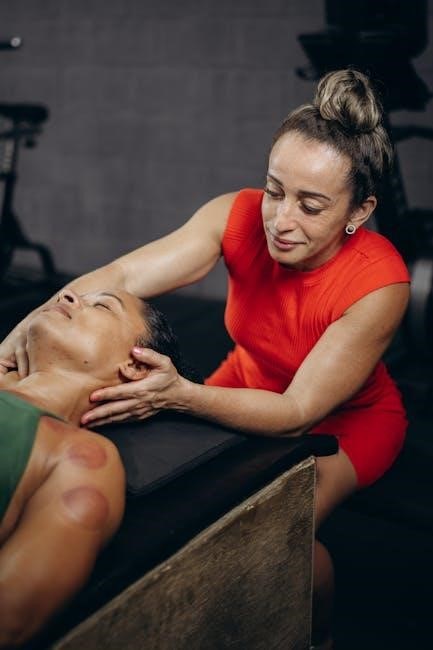
COMTs deliver improved patient outcomes through personalized treatment plans, utilizing advanced skills in manual therapy and musculoskeletal assessment for effective, targeted care.
Certified Orthopedic Manual Therapists (COMTs) are uniquely positioned to enhance patient recovery through specialized skills. Their advanced training allows for precise musculoskeletal assessments, leading to more accurate diagnoses and targeted interventions. This focused approach often results in faster pain reduction and improved functional mobility compared to standard treatments.
By addressing the root cause of dysfunction, rather than simply managing symptoms, COMTs facilitate long-term improvements in patient well-being. The hands-on techniques employed, combined with individualized therapeutic exercise programs, empower patients to regain control of their movement and participate fully in their daily lives. Ultimately, seeking treatment from a COMT can lead to a higher quality of life and sustained positive results.
Certified Orthopedic Manual Therapists (COMTs) don’t believe in one-size-fits-all care. They meticulously evaluate each patient’s unique condition, considering their medical history, lifestyle, and specific functional limitations. This comprehensive assessment forms the foundation for a highly individualized treatment plan.
These plans integrate manual therapy techniques – like joint mobilization and soft tissue mobilization – with targeted therapeutic exercises. COMTs continually adjust the treatment strategy based on the patient’s response, ensuring optimal progress. This dynamic and patient-centered approach maximizes effectiveness and fosters a collaborative healing environment, leading to better long-term outcomes.

Maitland-Australian Physiotherapy Seminars, IAOM-US, and OPTIMs offer comprehensive courses and certification pathways for aspiring Certified Orthopedic Manual Therapists.
Maitland-Australian Physiotherapy Seminars stands as a premier provider of hands-on manual therapy courses, specifically designed to prepare clinicians for the rigorous COMT exam.
Their comprehensive programs delve deep into orthopedic assessment and treatment techniques, equipping Physical Therapists, Physicians, and Doctors of Chiropractic with the necessary skills.
These seminars emphasize practical application, ensuring participants gain confidence in their ability to effectively address a wide range of musculoskeletal conditions.
By focusing on detailed instruction and ample practice, Maitland-Australian aims to elevate the standard of manual therapy practice and facilitate successful certification.
The IAOM-US (International Association of Orthopedic Manual Therapists ⎯ US) website serves as the central hub for information regarding COMT certification and the field of orthopedic manual therapy.
It details the various certification pathways available – Upper Extremity, Lower Extremity, and Complete Extremity – outlining the required coursework and examination procedures.
Clinicians can find crucial details about eligibility criteria for Physical Therapists, Physicians, and Doctors of Chiropractic seeking certification.
The site also provides resources for maintaining certification and staying current with advancements in manual therapy practice, fostering continued professional development.
OPTIMs Orthopedic Manual Therapy Specialization (OMTS) is a program designed for clinicians dedicated to enhancing their orthopedic knowledge and practical skills.
This specialization focuses on advancing clinical expertise, preparing practitioners for complex musculoskeletal cases and promoting a higher level of patient care.
OPTIMs provides a structured pathway for Physical Therapists, Physicians, and Doctors of Chiropractic to refine their manual therapy techniques and diagnostic abilities.
The program complements the COMT certification process, offering a robust educational experience that aligns with the evolving demands of autonomous, evidence-guided physical therapy practice.