Categories

Rear-wheel drive manual cars offer a uniquely engaging driving experience, blending driver control with a classic mechanical layout for pure automotive enjoyment.
A rear-wheel drive (RWD) manual car is defined by its powertrain configuration: the engine generates power that’s sent to the rear wheels, and the driver controls gear selection using a traditional manual transmission – a clutch pedal and a gear stick.
Unlike front-wheel drive (FWD) where the engine powers the front wheels, or all-wheel drive (AWD) distributing power to all four, RWD isolates the steering from the driven wheels. This separation is key to its distinct handling characteristics.
The “manual” aspect means the driver is fully responsible for selecting the appropriate gear for the driving situation, offering a direct connection and heightened sense of control. It’s a system requiring skill and engagement, contrasting with the convenience of automatic transmissions.
RWD layouts historically dominated the automotive world, appearing in many of the earliest automobiles and remaining prevalent throughout the mid-20th century. Iconic sports cars and luxury vehicles almost exclusively utilized RWD, establishing a legacy of performance and refinement.
The rise of FWD in the late 20th century, driven by packaging efficiency and fuel economy, diminished RWD’s dominance. However, RWD manual cars retained a dedicated following among driving enthusiasts.
While overall popularity has declined with the increasing preference for automatics and other drivetrains, a resurgence of interest is visible in modern sports cars like the Toyota GR86 and Nissan Z, proving the enduring appeal of this classic configuration.
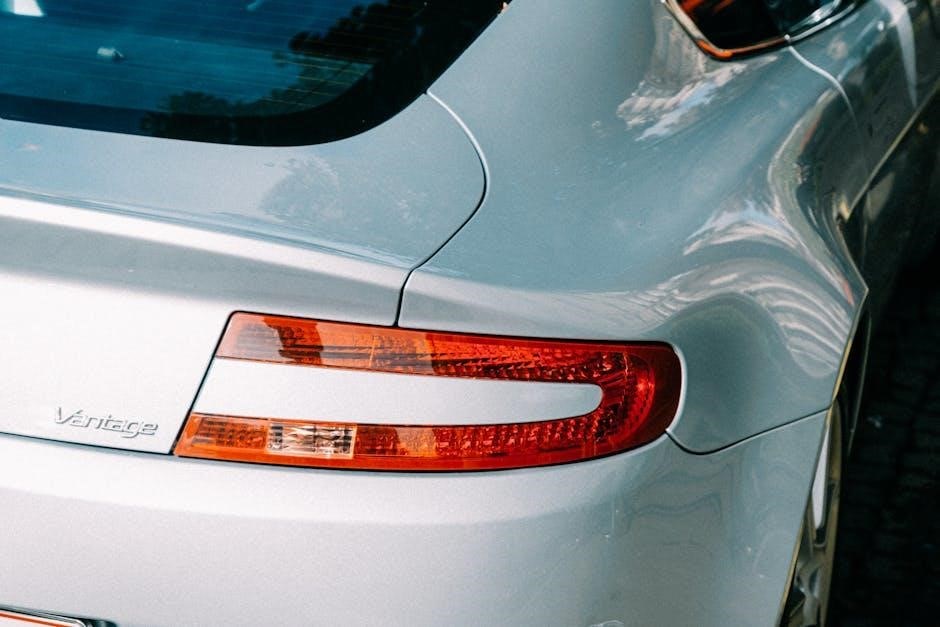
RWD systems transmit engine power to the rear wheels, utilizing a complex interplay of components for efficient and responsive vehicle propulsion.
The foundation of a rear-wheel drive manual system lies in the direct connection between the engine and the manual transmission. Unlike front-wheel drive layouts, the engine’s rotational force doesn’t directly power the front wheels. Instead, it’s channeled through a flywheel and clutch assembly – crucial components for manual gear changes – into the transmission itself.
Within the transmission, a series of gears allows the driver to select different ratios, optimizing power and torque delivery for varying speeds and driving conditions. This selected power then exits the transmission housing, ready to be sent rearward. The robust design ensures efficient power transfer, contributing to the characteristic feel of RWD vehicles. This initial connection is vital for the entire drivetrain’s functionality.
Once power leaves the transmission, it encounters the driveshaft – a rotating shaft transmitting power to the rear axle. This durable component must handle significant torque and rotational speed, often featuring universal joints to accommodate changes in angle as the suspension moves.
At the rear axle sits the differential, a clever mechanism allowing the rear wheels to rotate at different speeds during cornering. This is essential because the outer wheel travels a greater distance than the inner wheel. The differential distributes power to each wheel while accommodating this speed difference. Without it, tire scrub and drivetrain stress would be immense, hindering smooth and efficient driving. It’s a critical component for RWD handling.
Combining rear-wheel drive with a manual transmission unlocks a uniquely rewarding driving experience. RWD inherently offers superior weight distribution, often closer to 50/50, enhancing balance and cornering ability. The manual gearbox puts the driver firmly in control of power delivery, allowing precise gear selection for optimal performance and engine braking.
This synergy fosters a more connected feel, demanding active driver participation. It’s not just about getting from A to B; it’s about how you get there. RWD manual cars typically exhibit better steering feel and responsiveness, making them favored among driving enthusiasts. The driver dictates the rhythm, not the car, resulting in a truly immersive experience.

A RWD manual car provides unmatched driver involvement, demanding skill and rewarding precision with a visceral connection to the road and machine;
The sensation of piloting a rear-wheel drive manual car is distinctly different from front or all-wheel drive. There’s a directness to the steering, a responsiveness that feels immediate and connected. You genuinely feel the weight transfer as you enter a corner, and the rear wheels subtly communicate grip levels through the seat of your pants.
The manual transmission adds another layer of engagement. Each gear change requires deliberate action, demanding focus and rewarding smooth execution. It’s a tactile experience – the precise gate of the shifter, the clutch pedal’s feedback, and the engine’s response all combine to create a deeply immersive driving experience. It’s not just about getting from A to B; it’s about how you get there, and the RWD manual setup makes that ‘how’ incredibly satisfying.
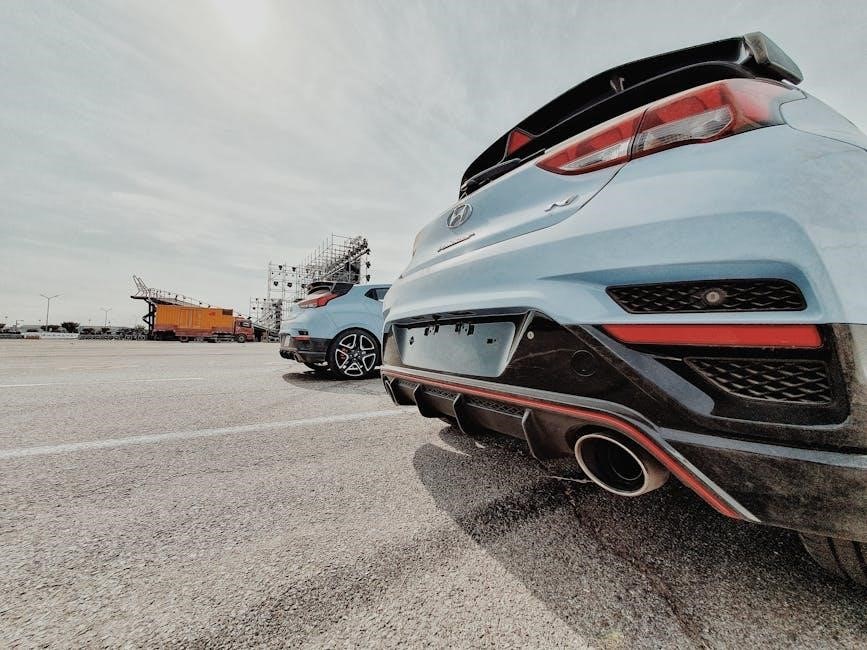
Rear-wheel drive cars inherently offer a more balanced weight distribution, typically closer to 50/50, compared to front-wheel drive layouts. This contributes to more neutral handling characteristics, reducing understeer – the tendency to push wide in corners. Instead, RWD cars often exhibit a slight oversteer bias, allowing for more agile and dynamic cornering when skillfully driven.
The rear wheels, solely responsible for propulsion, can independently manage power delivery during cornering, enhancing traction and control. This separation of steering and driving forces allows for precise throttle modulation to adjust the car’s attitude mid-corner. Mastering this balance requires practice, but the reward is a more engaging and rewarding driving experience, offering a level of control rarely found in other drivetrain configurations.
Rear-wheel drive manual cars truly shine when paired with advanced driving techniques, unlocking their full potential. Heel-toe downshifting, a cornerstone of RWD manual mastery, allows for smooth downshifts while simultaneously blipping the throttle, matching engine speed to wheel speed and preventing unsettling weight transfers. This technique is crucial for maintaining stability during aggressive cornering.
Left-foot braking, while less common, can also enhance control, allowing for independent brake and throttle application. Furthermore, mastering throttle control is paramount; subtle adjustments can induce controlled oversteer or maintain neutral balance. These techniques aren’t essential for daily driving, but they elevate the RWD manual experience, fostering a deeper connection between driver and machine and maximizing performance on track or spirited backroads.
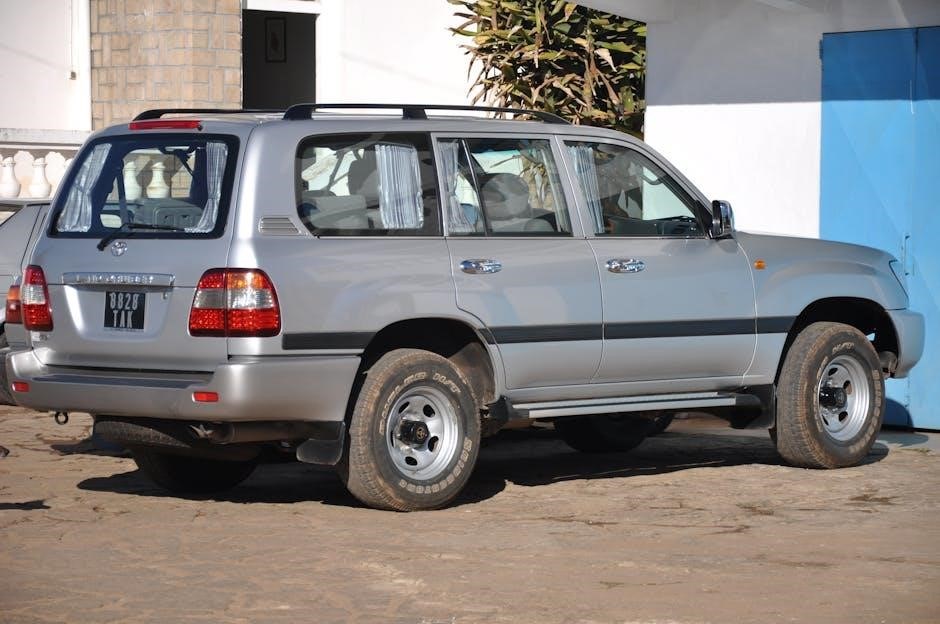
Numerous rear-wheel drive manual cars have captivated enthusiasts, from iconic classics offering timeless appeal to modern sports cars delivering exhilarating performance.
The BMW E36, particularly the 328i and M3, represents a golden era of balanced handling and driver engagement. Its responsive steering and robust inline-six engine made it a favorite. Similarly, the Mazda MX-5 Miata (NA & NB generations) embodies affordable roadster fun.
Its lightweight design and precise manual gearbox create a pure driving connection. The Toyota Supra (MKIV), though often associated with its turbocharged engine, also offered a superb manual experience; These cars weren’t just about speed; they prioritized feel and driver involvement.
Other notable mentions include the Nissan 240SX, a popular choice for drifting and modification, and the Ford Mustang (Fox Body), offering accessible rear-wheel-drive performance. These classics continue to be cherished by enthusiasts for their simplicity and rewarding driving dynamics.
The Toyota GR86 and Subaru BRZ represent a resurgence of affordable, lightweight, rear-wheel-drive sports cars. Their naturally aspirated engines and precise manual transmissions deliver a pure driving experience, reminiscent of classic roadsters. Nissan’s Z is a powerful contender, blending modern technology with a classic sports car silhouette and a satisfying six-speed manual option.
These vehicles aren’t just about performance figures; they prioritize driver engagement and balance. BMW’s M2 offers a more premium experience, combining a potent engine with sharp handling and a refined manual gearbox.
Even Ford’s Mustang GT continues to offer a manual transmission, providing a blend of muscle car power and driver control. These modern options prove that the rear-wheel-drive manual isn’t a relic of the past, but a thriving segment.
Finding a rear-wheel-drive manual car doesn’t always require a substantial investment. Older BMW 3 Series (E36, E46) models offer a fantastic driving experience for relatively low prices, though maintenance is key. The Mazda MX-5 Miata, particularly first and second-generation (NA and NB) models, provides accessible roadster fun.
Nissan 240SX (S13/S14), while increasingly sought after, can still be found at reasonable prices, offering a platform ripe for modification. Don’t overlook the Ford Mustang (Fox Body), a classic muscle car with readily available parts and a strong enthusiast base.
These options require diligent searching and pre-purchase inspections, but they deliver a rewarding, engaging driving experience without breaking the bank. Prioritize mechanical soundness over cosmetic perfection when seeking a budget RWD manual.
RWD manual cars demand proactive upkeep; regular fluid checks, transmission service, and diligent attention to the rear differential are absolutely essential.
Regular maintenance is crucial for keeping your rear-wheel drive manual car in peak condition. This includes frequent engine oil and filter changes, adhering to the manufacturer’s recommended intervals. Checking and topping off all fluids – coolant, brake fluid, power steering fluid (if applicable), and especially transmission fluid – is paramount. Inspecting the clutch for wear and proper engagement is vital, as is checking the condition of the driveshaft U-joints for play or damage.
Don’t neglect the rear differential; fluid changes are essential to prevent wear. Brake pad and rotor inspections should be routine, alongside tire rotations and alignment checks. Finally, always inspect suspension components like bushings and shocks for signs of deterioration, ensuring optimal handling and safety. A proactive approach saves money and extends the car’s lifespan.
Rear-wheel drive manual cars present unique maintenance challenges. Clutch wear is a common concern, influenced by driving style and usage, potentially requiring replacement. Driveshaft U-joints can fail due to lack of lubrication or excessive wear, causing vibrations. The rear differential is susceptible to leaks and internal wear, demanding regular fluid checks and potential rebuilds.
Manual transmission synchros can wear, leading to difficult shifting, especially with aggressive driving. Rust can be a significant issue on chassis components and the driveshaft itself; Improper shifting technique can accelerate wear on transmission internals. Finally, worn shift linkage bushings contribute to sloppy gear changes, impacting the driving experience and requiring replacement.
Rear-wheel drive manual cars generally exhibit moderate ownership costs. Initial purchase prices can be lower than comparable all-wheel drive or automatic models, but specialized parts – like clutches and differential components – can be pricier. Labor costs for repairs may be higher due to the drivetrain’s complexity, demanding skilled technicians.
Fuel economy is often comparable to other drivetrain configurations, though driving style significantly impacts consumption. Routine maintenance, such as fluid changes, is crucial and adds to the overall expense. Compared to front-wheel drive, RWD manuals may experience slightly higher tire wear due to power delivery. However, the engaging driving experience often justifies the investment for enthusiasts.
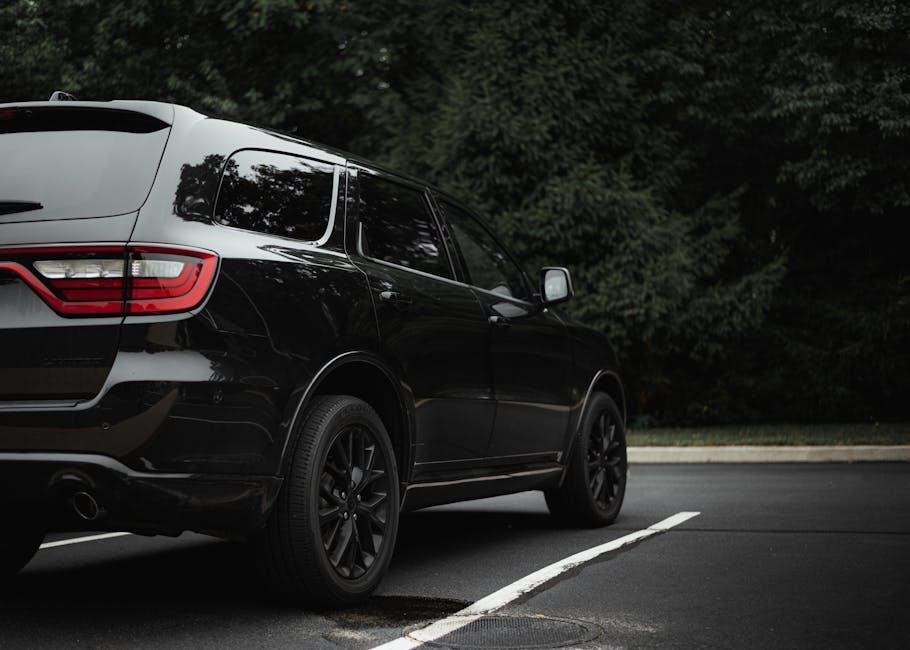
RWD manual cars thrive on modification; suspension, engine tuning, and limited-slip differentials unlock significant performance gains for driving enthusiasts.
For RWD manual cars, suspension upgrades are pivotal for enhancing handling and maximizing performance potential. Lowering springs offer a reduced center of gravity, minimizing body roll during cornering and improving responsiveness. However, pairing them with upgraded dampers – such as adjustable coilovers – is crucial to maintain ride quality and control.
Stiffer sway bars further reduce body roll, promoting flatter cornering and increased stability. Bushing replacements, swapping rubber for polyurethane, eliminate unwanted suspension flex, providing a more direct and precise feel. Consider camber plates for fine-tuning wheel alignment, optimizing tire contact patch during aggressive driving.
A complete suspension overhaul, carefully matched to driving style and intended use (track days versus street driving), transforms the car’s dynamics, delivering a more connected and rewarding experience. Remember proper alignment after any suspension modification is essential.
Enhancing a RWD manual car’s engine output unlocks its full potential; A custom ECU tune optimizes fuel delivery, ignition timing, and boost pressure (if turbocharged) for increased horsepower and torque. This is often the first and most impactful modification.
For naturally aspirated engines, intake and exhaust upgrades improve airflow, yielding modest gains. Superchargers and turbochargers provide significant power increases, but require supporting modifications like stronger internals and improved cooling.
Nitrous oxide systems offer a temporary power boost, ideal for straight-line acceleration. When adding power, ensure the drivetrain – clutch, driveshaft, differential – can handle the increased load. Proper engine management and monitoring are crucial to prevent damage and maintain reliability. A professional tune is highly recommended.

A Limited Slip Differential (LSD) dramatically improves traction for rear-wheel drive manual cars, especially during spirited driving or track use. Unlike an open differential, an LSD limits the amount of power sent to the spinning wheel, redirecting it to the wheel with more grip.
Several LSD types exist: clutch-type, Torsen (torque-sensing), and viscous. Clutch-type LSDs offer precise locking characteristics but require maintenance. Torsen LSDs are smoother and maintenance-free, while viscous LSDs are less aggressive.
Installing an LSD enhances cornering ability, reduces wheelspin, and improves acceleration. It’s a transformative upgrade for any RWD manual, making it more predictable and enjoyable to drive. Careful consideration of driving style and intended use is vital when selecting the appropriate LSD type.
Modern safety systems like traction and stability control aid RWD manual cars, but driver skill remains paramount for safe handling in all conditions.
Traction control systems (TCS) in rear-wheel drive manual cars are designed to prevent wheelspin during acceleration, particularly beneficial on slippery surfaces. They work by reducing engine power or applying brakes to the spinning wheel, restoring grip. Stability management (SM), a more advanced system, builds upon TCS by actively intervening to correct oversteer or understeer.
Sensors constantly monitor the vehicle’s direction and compare it to the driver’s intended path. If a discrepancy is detected, SM selectively applies brakes to individual wheels, helping to steer the car back on course. While these systems enhance safety, it’s crucial to remember they are aids, not replacements for skilled driving. Understanding how these systems function allows drivers to better anticipate and react to challenging situations, maximizing both control and safety when enjoying the dynamic capabilities of a RWD manual car.
Driving a rear-wheel drive manual car in winter demands a refined skillset. Gentle inputs are paramount; avoid abrupt acceleration, braking, or steering. Starting on a slight incline, if possible, can aid traction. When starting from a stop, use a higher gear to minimize wheelspin. Smooth clutch control is essential to prevent upsetting the car’s balance.
Anticipate turns and brake before entering a corner, releasing pressure as you turn in. Steering corrections should be subtle. If oversteer occurs, counter-steer gently and ease off the throttle. Winter tires are a non-negotiable investment for optimal grip and control. Practicing in a safe, open area – like an empty parking lot – builds confidence and refines technique. Prioritize slow, deliberate movements for a safe and enjoyable winter driving experience.
Rear-wheel drive manual cars, while rewarding, present specific risks. Oversteer, especially on slippery surfaces or with sudden throttle application, is a primary concern. Mitigate this by practicing throttle control and understanding the car’s balance. Wheelspin can also lead to loss of control; smooth clutch engagement and appropriate gear selection are crucial.
Inexperienced drivers may struggle with coordinating the clutch, throttle, and steering, increasing the risk of stalling or losing control. Proper training and practice are vital. Mechanical failures, like a worn clutch or differential, can exacerbate these issues. Regular maintenance and prompt repairs are essential. Always be aware of road conditions and adjust driving style accordingly, prioritizing safety over spirited driving.
Despite declining sales, a dedicated enthusiast base ensures RWD manuals persist, potentially evolving with hybrid or electric powertrains for continued driving pleasure;
The automotive landscape is undergoing a dramatic shift, and unfortunately, traditional rear-wheel drive manual cars are facing dwindling sales figures. Consumer preferences are increasingly leaning towards the convenience of automatic transmissions, particularly those with advanced features like paddle shifters and seamless shifting capabilities.
Furthermore, the rise of SUVs and crossovers, often prioritizing all-wheel drive for perceived safety and practicality, has further eroded the market share of traditional sports cars and sedans that commonly offer a RWD manual configuration. Concerns about ease of driving in urban environments and the learning curve associated with mastering a manual transmission also contribute to this trend.
Manufacturers are responding to these market forces by reducing the availability of manual transmissions, focusing instead on maximizing production efficiency and catering to broader consumer demands. This creates a challenging environment for enthusiasts who cherish the engaging driving experience offered by a RWD manual car.
Despite declining sales, a passionate and dedicated enthusiast community continues to thrive around rear-wheel drive manual cars. Online forums, car clubs, and local meetups provide spaces for owners and aficionados to connect, share knowledge, and celebrate these vehicles.
This community actively engages in preservation efforts, restoring classic RWD manuals and keeping them on the road. Many enthusiasts also prioritize maintaining and upgrading modern examples, ensuring their longevity. Parts sourcing networks and specialized repair shops cater specifically to this niche market.
Furthermore, grassroots organizations and events, like track days and driving schools, promote the skills and appreciation for driving a manual transmission, fostering a new generation of enthusiasts. This collective passion serves as a vital force in safeguarding the legacy of RWD manual cars.
The future isn’t necessarily devoid of manual transmissions, even with the rise of electrification. Innovative concepts explore pairing rear-wheel drive with hybrid or fully electric powertrains, retaining the engaging manual gearbox.
Electric motors deliver instant torque, potentially enhancing the RWD manual experience, offering unique control and responsiveness. Challenges exist in replicating the feel of a traditional internal combustion engine, but sophisticated software and haptic feedback systems could bridge the gap.
Several manufacturers are experimenting with such setups, recognizing the demand from driving enthusiasts. While still in its early stages, the possibility of a thrilling, eco-friendly RWD manual car represents a compelling evolution, blending tradition with cutting-edge technology.