Categories

OREA Form 410 is a tool for landlords to screen tenants, not legally required by the RTA․ It’s a downloadable template, often used by realtors for formal offers․

The OREA Form 410, officially known as the Ontario Residential Property Application, is a standardized form developed by the Ontario Real Estate Association (OREA)․ It’s designed to streamline the tenant screening process for landlords and property managers across Ontario․ However, it’s crucial to understand that this form isn’t mandated by the Residential Tenancies Act (RTA)․ It serves as a convenient tool, but doesn’t carry legal weight in terms of requirements under the RTA․
Essentially, it’s a comprehensive questionnaire used to gather detailed information from prospective tenants․ Realtors frequently utilize Form 410 as a standard method for collecting necessary data and presenting formal rental applications․ While landlords can request applications in various formats, Form 410 offers a pre-designed, readily available template․ Agents may decline working with applicants who refuse to complete it, as it simplifies their workflow․
It’s important to note that the form’s official nature is somewhat misleading; it’s simply a widely adopted template, freely downloadable online․
The primary purpose of the OREA Form 410 is to facilitate a thorough tenant screening process․ Landlords and property managers utilize it to assess a potential tenant’s suitability based on various factors․ This includes verifying personal information, employment history, income stability, and rental background․ The form aims to mitigate risks associated with renting a property, ensuring responsible tenancy․
It allows landlords to gather crucial details needed to make informed decisions, such as confirming income levels to ensure rent payments can be consistently met․ The rental history section helps evaluate past tenant behavior and adherence to lease agreements․ Furthermore, the form often requests authorization for credit checks, providing insight into financial responsibility․
While not legally mandated, completing the form demonstrates a tenant’s willingness to provide transparency and cooperate with the screening process․ It’s a proactive step towards securing a rental property in a competitive market, particularly when working with real estate agents․
No, the OREA Form 410 is not legally required under the Ontario Residential Tenancies Act (RTA)․ It’s a form created by the Ontario Real Estate Association (OREA) to assist landlords in their tenant screening procedures․ The RTA only mandates the use of the Ontario Standard Lease agreement for tenancy contracts․
Landlords are free to request rental applications in any format they choose; Form 410 simply provides a standardized template․ While it’s a common practice, especially when dealing with real estate agents, tenants aren’t legally obligated to complete it․ However, refusing to fill it out might lead an agent to discontinue working with you․
It’s crucial to understand that the form’s existence doesn’t alter the legal rights and responsibilities outlined in the RTA․ Landlords must still adhere to all provisions of the Act, regardless of whether they use Form 410 or another application method․
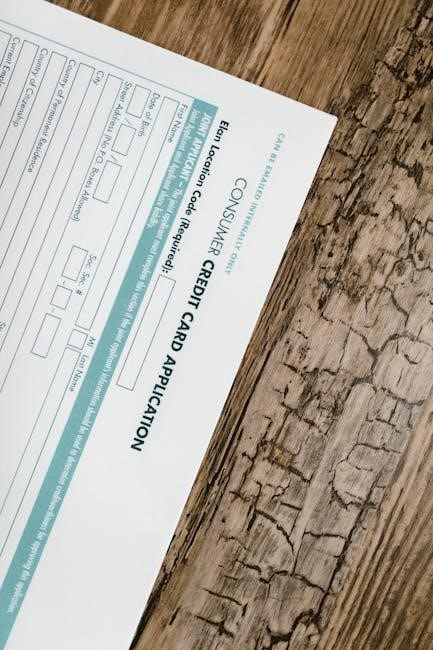
OREA Form 410 gathers extensive details: personal info, contact details, employment/income, and rental history with references․ Some requests may seem excessively detailed․
The Personal Information Section of the OREA Form 410 initiates the application process, requesting fundamental details about the prospective tenant․ This typically includes your full legal name, current address, and date of birth․ Landlords utilize this information for identification and background checks, though the necessity of certain details, like current vehicle license plate information, can be questioned as potentially excessive․
It’s crucial to provide accurate information, as discrepancies could raise red flags during the screening process․ While seemingly straightforward, applicants should be mindful of the data shared․ The form may also ask for information regarding your immigration status, which you are not legally obligated to disclose if it’s not relevant to your ability to rent the property․ Remember, the form is designed to aid landlords in tenant selection, but it doesn’t override your rights as an applicant․
The Contact Information Details section of the OREA Form 410 is vital for landlords and agents to efficiently communicate with applicants throughout the rental process․ This section requests your primary phone number, email address, and potentially a secondary contact method․ Providing accurate and readily accessible contact information demonstrates your responsiveness and seriousness as a potential tenant․
Expect to provide details allowing for quick communication regarding property viewings, application status updates, and any necessary follow-up questions․ While providing this information is standard practice, applicants should consider using a dedicated email address for rental applications to maintain privacy․ Be prepared for potential calls and emails from the landlord or their representative․ Prompt responses can significantly improve your chances of securing the rental property, showcasing your reliability and organizational skills․
The Employment and Income Verification section of the OREA Form 410 allows landlords to assess your financial stability and ability to consistently meet rental obligations․ Expect to detail your current employment status – employed, self-employed, or unemployed – along with your employer’s name and contact information․ You’ll likely need to specify your gross monthly income, and potentially provide supporting documentation like pay stubs or a letter of employment․
Landlords utilize this information to gauge your capacity to afford the rent․ While a Social Insurance Number (SIN) isn’t required for a credit check, this section aims to verify income sources․ Be prepared to accurately represent your financial situation; misrepresentation can lead to application denial․ Self-employed individuals may need to provide additional documentation, such as tax returns, to substantiate their income claims․ Transparency and honesty are crucial in this section․
The Rental History and References section of the OREA Form 410 is crucial for landlords to evaluate your past tenancy behavior․ You’ll typically be asked to list your previous addresses for the past two to three years, including landlord contact information․ Providing accurate details allows landlords to verify your rental history and assess your reliability as a tenant․
Expect to provide contact information for personal references who can vouch for your character and responsibility․ These individuals should be able to speak to your trustworthiness and ability to fulfill commitments․ A positive rental history and strong references significantly strengthen your application․ Be sure to obtain permission from your references before listing their details․ Landlords may contact them to gain insights into your tenancy habits and overall suitability as a renter․ Thoroughness in this section is key․

Form 410 requests details for credit checks, banking information, and proof of income․ Your SIN isn’t needed for a credit check, and requests can be excessively detailed․
The OREA Form 410 includes a section requiring applicant authorization for a credit check․ Landlords utilize this to assess financial responsibility and rental history․ However, it’s crucial to understand that providing your Social Insurance Number (SIN) is not a prerequisite for this process․
A credit check can be conducted using other identifying information, such as your name, date of birth, and current address․ The form typically contains a consent clause, legally binding you to allow the landlord or their agent to access your credit report․ Be aware of what you are agreeing to before signing․
The applicant is notified that a consumer report containing credit and/or personal information may be requested․ This report helps landlords mitigate risk and ensure a stable tenancy․ Carefully review the authorization language to understand your rights and the scope of the information being accessed․ Remember, you have the right to inquire about the details of the credit check process․
The OREA Form 410 often requests banking information, intending to verify income and assess financial stability․ While seemingly thorough, applicants should carefully consider the necessity of disclosing such sensitive details․ Landlords may request details like bank name and account type, potentially for pre-authorized debit arrangements for rent payments․
However, it’s important to note that providing this information isn’t always mandatory for the application process itself․ Some applicants feel this request is excessively detailed and raises privacy concerns․ Consider if alternative proof of income, such as pay stubs or employment letters, can suffice․
Before disclosing banking details, understand how the landlord intends to use the information and their data security practices․ You have the right to question the necessity of this request and potentially offer alternative verification methods․ Always prioritize protecting your financial information and ensure responsible data handling․
The OREA Form 410 routinely requests documentation to verify an applicant’s income, a standard practice for landlords assessing rental affordability․ Acceptable proof typically includes recent pay stubs – two to three are generally sufficient – or a letter of employment confirming salary and position․
Self-employed individuals may need to provide additional documentation, such as a Notice of Assessment from the Canada Revenue Agency (CRA) or financial statements․ Landlords aim to ensure applicants possess a stable income source capable of consistently covering monthly rent payments․
While providing income verification is common, remember your Social Insurance Number (SIN) is not required for a credit check․ Be cautious of requests for overly sensitive information․ Offering alternative documentation, if you’re uncomfortable, is reasonable․ A strong income verification history significantly strengthens your rental application․

Form 410 includes consent for credit reporting and applicant acknowledgements․ Review the privacy policy carefully before signing, understanding how your data will be utilized․
The OREA Form 410 explicitly requires applicant consent for credit reporting․ Landlords often utilize credit checks as part of their tenant screening process to assess financial responsibility․ However, it’s crucial to understand that a Social Insurance Number (SIN) is not necessary to perform a credit check; providing it is entirely optional․
The form’s consent section authorizes the landlord or their agent to obtain a consumer report containing credit and personal information․ This report helps evaluate creditworthiness and verify the applicant’s identity․ Applicants retain the right to understand what information is being accessed and how it will be used․
Carefully review the wording of the consent clause before signing․ Ensure you are comfortable with allowing the landlord to access your credit information․ Remember, refusing consent might impact your application, as landlords may choose not to proceed without a credit check, but it is your right to decline․
The OREA Form 410 includes a section for applicant acknowledgements, signifying agreement to the terms and conditions outlined within the application․ This isn’t a legally binding lease, but a confirmation that the applicant understands the information provided is truthful and accurate to the best of their knowledge․
By signing, applicants acknowledge they’ve had the opportunity to review the form and understand its purpose – primarily for tenant screening․ It confirms awareness that the landlord may verify the details provided, including employment, income, and rental history․
Acknowledging the form doesn’t guarantee tenancy; it simply demonstrates a willingness to proceed with the application process; Applicants should retain a copy of the completed form for their records․ Be mindful of excessively detailed requests, like current license plate information, as these aren’t necessarily required for a legitimate assessment․
The OREA Form 410 incorporates a crucial privacy policy agreement, outlining how applicant information will be handled․ This section details the potential use of consumer reports, including credit checks and personal information verification, as permitted by law․ Applicants are informed that a credit report may be obtained with their consent․
This agreement clarifies that information collected is solely for tenant screening purposes and will be treated confidentially․ Landlords or agents utilizing the form are expected to adhere to privacy regulations and protect applicant data․ It’s vital to understand that providing a Social Insurance Number (SIN) isn’t necessary for a credit check․
Applicants should carefully review this section before signing, ensuring they are comfortable with the stated data handling practices․ Understanding this agreement empowers applicants to protect their personal information throughout the rental application process․

Applications, with supporting documents, are often submitted alongside the OREA Form 400 (Offer to Lease)․ A deposit isn’t required until the offer is accepted․
When submitting the Ontario Rental Application Form (OREA Form 410), alongside the potential Offer to Lease (OREA Form 400), landlords typically request supporting documentation to verify the information provided․ This often includes proof of income, such as recent pay stubs or a letter of employment detailing salary and position․
Banking information disclosure might be requested, though providing direct access isn’t necessary․ A credit report authorization is standard, allowing the landlord or agent to assess creditworthiness․ Rental history and references from previous landlords are crucial for establishing a positive tenant track record․
While a Social Insurance Number (SIN) isn’t legally required for a credit check, some landlords may mistakenly request it․ It’s important to understand your rights and politely decline providing this information․ Remember, the application process aims to provide a comprehensive overview of your financial stability and rental history, enabling landlords to make informed decisions․
It’s crucial to understand that simply submitting an OREA Form 410 rental application doesn’t obligate you to provide a deposit․ The form itself is merely an application for tenancy, not a legally binding agreement․ A deposit becomes relevant only after the landlord accepts your formal Offer to Lease – typically submitted via the OREA Form 400․
The Form 400 outlines the terms of the lease, including the deposit amount and payment stipulations․ Until that offer is accepted within the specified timeframe, you are not legally required to submit any funds․ Be wary of any pressure to provide a deposit before a signed lease agreement is in place․
Always clarify the deposit requirements and ensure a clear understanding of the acceptance process before offering any money․ A completed Form 410, with supporting documents, initiates the process, but acceptance of the Form 400 solidifies the agreement and triggers deposit obligations․
The OREA Form 400 serves as the official “Offer to Lease” in Ontario rental transactions, particularly when working with a real estate agent․ It’s distinct from the OREA Form 410 (Rental Application) which is used for initial tenant screening․ The Form 400 details all lease terms – rent amount, lease duration, deposit details, and any specific conditions․
Typically, a prospective tenant submits the completed Form 410 alongside supporting documents․ If the landlord approves, they respond with a Form 400․ Acceptance of this form, within the stipulated timeframe, creates a legally binding lease agreement․ Only after acceptance of the Form 400 is a deposit obligation triggered․

Without a signed Form 400, simply submitting a Form 410 carries no obligation․ It’s a preliminary step, not a commitment․ Understanding this distinction is vital to protect your rights as a tenant and avoid premature financial commitments․

Tenants often question the necessity of providing a SIN or excessively detailed information․ Remember, a credit check doesn’t require your SIN, and you can inquire about data requests․
A frequent concern among applicants completing the OREA Form 410 revolves around the request for a Social Insurance Number (SIN)․ It’s crucial to understand that providing your SIN is not a requirement for a landlord to conduct a credit check․ A credit check can be performed using your name, date of birth, and current address․
Landlords or agents requesting your SIN on the application form may be doing so out of habit or a misunderstanding of the necessary information․ You are within your rights to politely refuse to provide it and inquire about alternative methods for verifying your creditworthiness․
Be cautious about sharing your SIN unnecessarily, as it can increase the risk of identity theft․ The OREA Form 410 itself doesn’t mandate its inclusion, and legitimate landlords should respect your decision not to disclose it if you feel uncomfortable․ Always prioritize protecting your personal information․
While the OREA Form 410 aims to provide landlords with a comprehensive tenant profile, some information requests can feel overly intrusive and irrelevant to assessing rental suitability․ Applicants often question the necessity of details like current vehicle license plate numbers, viewing such inquiries as exceeding reasonable screening practices․
It’s important to remember that the form is a template, and landlords aren’t obligated to require answers to every field․ You have the right to question the purpose of any information request that seems excessive or unrelated to your ability to fulfill rental obligations․
If you’re uncomfortable providing certain details, discuss your concerns with the landlord or agent․ A reasonable landlord should be willing to explain the rationale behind the request or waive it altogether․ Don’t hesitate to advocate for your privacy and only share information essential for the rental process․
Despite its prevalence, the OREA Form 410 isn’t the only avenue for rental applications in Ontario․ Landlords are permitted to utilize various formats, and aren’t legally bound to employ this specific document․ Many landlords create their own simplified application forms, focusing on essential information like income verification, rental history, and references․
If you’re hesitant about the detailed nature of Form 410, inquire whether the landlord would accept an alternative application․ You could even proactively offer to provide the necessary information in a more concise format, such as a cover letter accompanied by supporting documents․
Remember, the key is to demonstrate your suitability as a tenant․ A well-prepared application, regardless of the form used, showcasing financial stability and a positive rental record, is often more effective than simply completing a lengthy, standardized form․

Access the Ontario Standard Lease: forms․mgcs․gov․on․ca․ Explore landlord and tenant rights for comprehensive guidance in Ontario․
While the OREA Form 410 serves as an application tool, the Ontario Standard Lease Agreement is the legally binding document governing the tenancy․ This agreement, available on the Ontario government website, outlines all terms and conditions of the rental arrangement, protecting both landlords and tenants․
It’s crucial to understand that Form 410 doesn’t create a lease; it’s a preliminary step in the screening process․ Once a landlord approves an application, they must utilize the Standard Lease to formalize the agreement․ This official form details rent amount, payment schedule, lease duration, responsibilities for maintenance, and procedures for termination․
Using the Standard Lease ensures compliance with the Residential Tenancies Act (RTA) and minimizes potential disputes․ Landlords cannot alter the core provisions of the Standard Lease, ensuring fairness and transparency․ Tenants should carefully review the agreement before signing, seeking clarification on any unclear clauses․ The link to download the form is: forms․mgcs․gov․on․ca․

Ontario’s Residential Tenancies Act (RTA) clearly defines the rights and responsibilities of both landlords and tenants․ Landlords have the right to screen potential tenants – utilizing tools like the OREA Form 410 – and collect rent on time․ They also possess the right to proper notice before entering the rental unit, except in emergencies․
Tenants, conversely, have the right to a safe and habitable living environment, free from harassment․ They are entitled to proper notice of entry, and landlords must maintain the property according to standards․ Tenants also have the right to dispute unfair rent increases or evictions through the Landlord and Tenant Board․
Understanding these rights is crucial, regardless of whether you’re applying with Form 410 or signing a lease․ The RTA provides a framework for a fair and respectful landlord-tenant relationship․ Resources detailing these rights are readily available online through the Ontario government website, ensuring both parties are informed and protected throughout the tenancy․
While the OREA Form 410 isn’t a legally mandated document, it’s a widely used rental application in Ontario․ Obtaining a copy is straightforward; however, be cautious of unofficial sources․ The official Ontario Real Estate Association (OREA) website is the most reliable location for downloading the current PDF version․
Numerous websites host the form, but ensuring you have the latest iteration is vital to avoid outdated clauses or incorrect information․ A quick online search for “OREA Form 410 PDF” will yield several results, but prioritize links directing to orea․com or reputable real estate boards;
Alternatively, real estate agents often provide the form directly to prospective tenants․ Remember, the form is a screening tool, and landlords may accept alternative application formats․ Always verify the source before submitting any personal information․